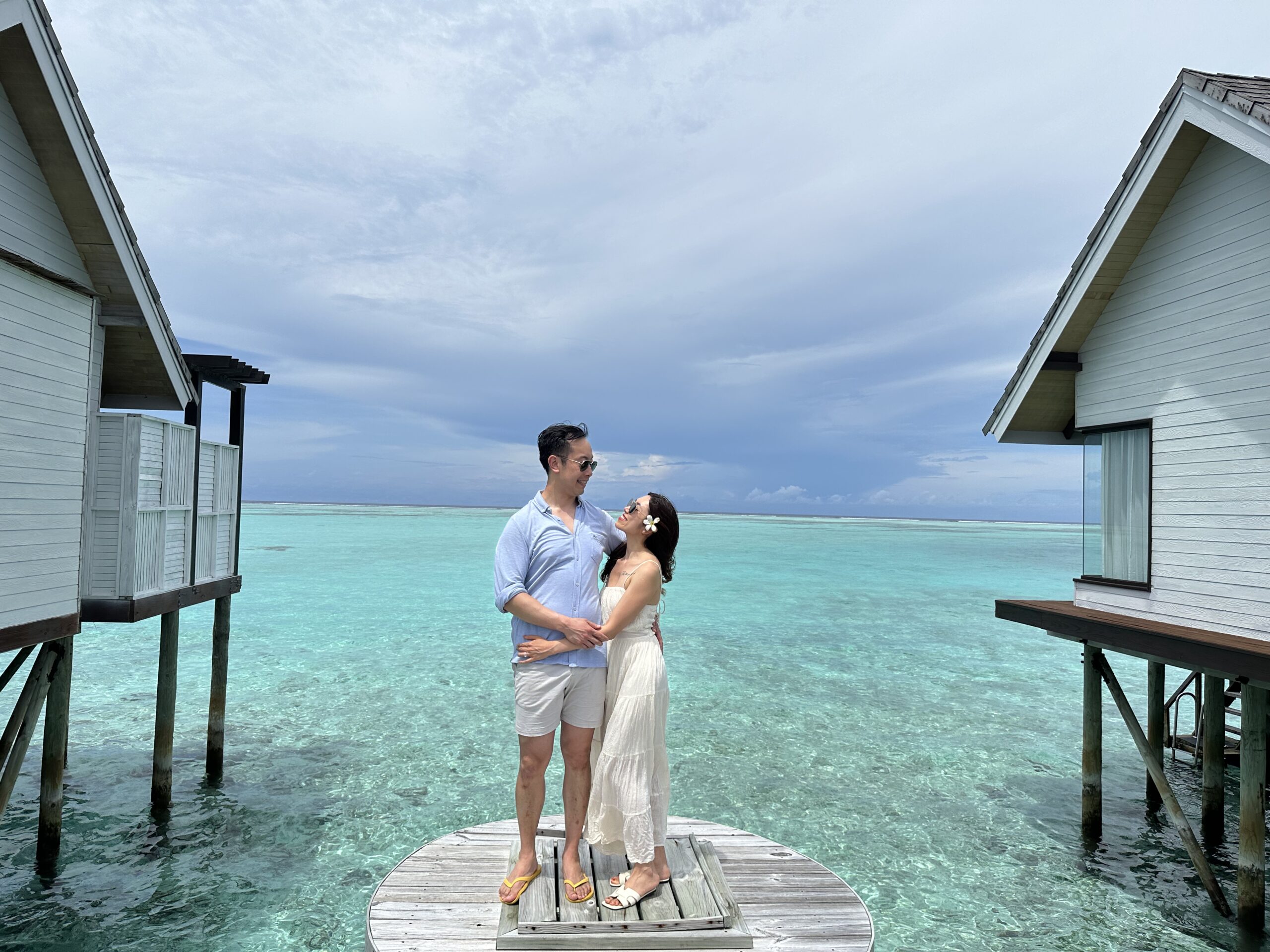
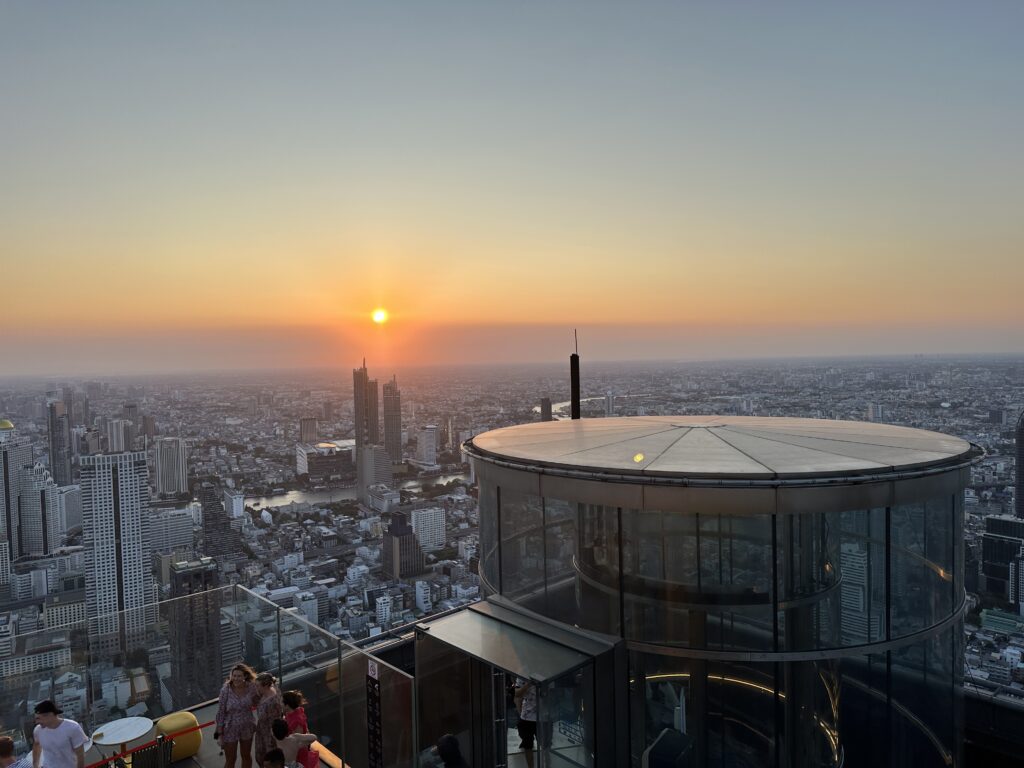
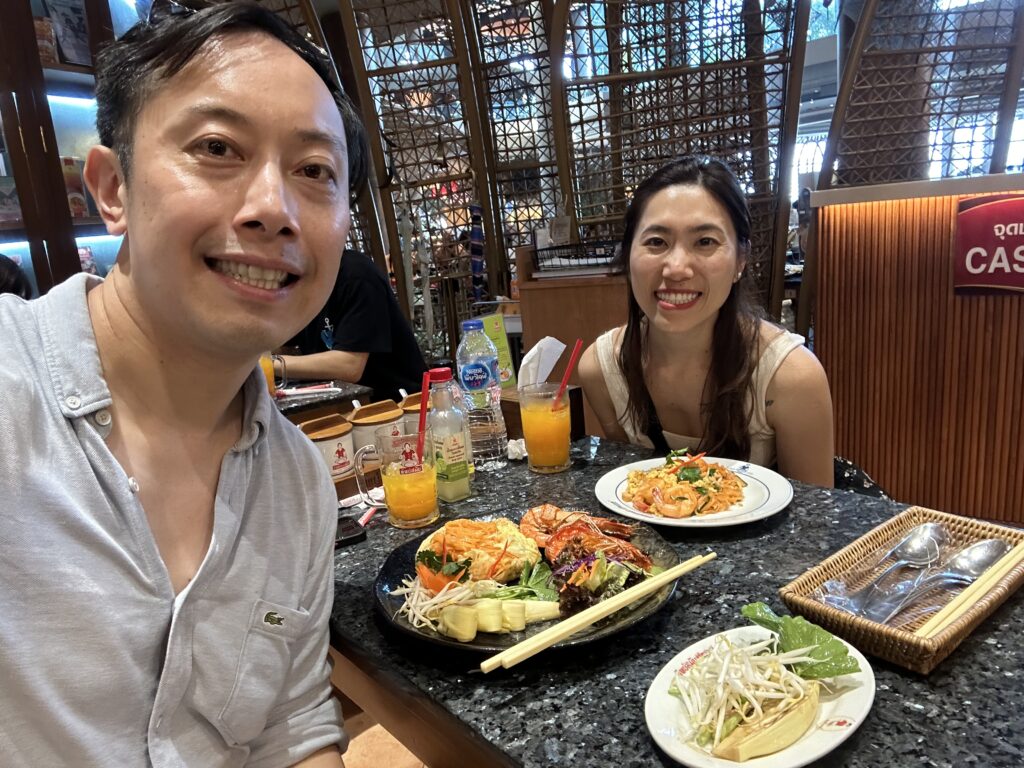
We chronicle our 3 country journey through China, Japan and South Korea commemorating a lifetime of memories and a lifelong addiction to matcha lattes. Japan was the focus of our trip because we wanted to eat fresh sashimi and juicy Kobe beef. We flew in and out of Shanghai from London to use our AMEX Companion Voucher. Shanghai is readily available when searching for reward flights, and purchasing regional flights from Shanghai was convenient. We’d definitely recommend this when searching to use the voucher before expiring.
- Hot Tips
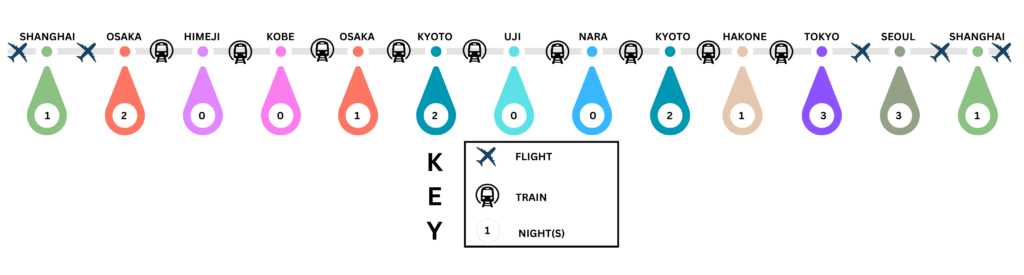
- Our epic 16 night adventure
- Day 1 – Arrive in Shanghai and Explore the Bund
- Day 2 – Arrive in Osaka and Feast in Dotonbori
- Day 3 – Explore Osaka Castle before Panoramic Views of Umeda Sky Building
- Day 4 – Day trip to Himeji and Kobe
- Day 5 – Arrive in Kyoto and Have Oodles of Noodles
- Day 6 – Slither through the Inari Gates
- Day 7 – Day trip to Nara and Uji, returning via Arashiyama
- Day 8 – Traditional tea ceremony and exploring Gion
- Day 9 – Relaxing getaway in Hakone
- Day 10 – Arrive in Tokyo for Omakase and drinks in Golden Gai
- Day 11 – Visiting Cat Temples, exploring teamLab Borderless and divulging on the yakitori sticks of Piss Alley
- Day 12 – Kimono photography in Asakusa before sunset views in Shibuya Sky
- Day 13 – Sayonara Tokyo and onto the vibrant markets of Seoul
- Day 14 – Seoul self restoration and Korean food staples
- Day 15 – Traditional Gyeongbokgung Palace and Bukchon Hanok Village vs trendy Gangnam and Zoo Sindang
- Day 16 – See ya Seoul and onto the cheapest two Michelin starred restaurant in Shanghai
- Day 17 – So long Shanghai and the culmination of a great 3 country journey
- Planning a trip to Japan?
- Planning a trip to South Korea?
Hot Tips
General
- Get an eSIM to avoid costly data roaming charges. We went with Nomad, easy to use and easy to top up. They even have a regional SIM covering Japan, Korea and China, perfect for this itinerary! Make sure to activate it before arriving in China as you won’t be able to access Gmail to activate it once you arrive!
China
- Install and link your bank cards to Alipay before arriving. Though be ware there is a 3% service fee for transactions made using international credit cards.
- Install Didi app on your phone before you arrive so that you can order taxis from this ride hailing app.
- Apple Maps works better in Shanghai so use that instead of Google Maps.
- Tipping isn’t expected. Tipping is not part of Chinese culture in taxis, restaurants, or even hotels. Just a thank-you or review goes a long way for exceptional service.
- Learn a few basic Mandarin phrases. Even just “hello” (你好 – nǐ hǎo), “thank you” (谢谢 – xièxiè), and “I don’t understand” (我不懂 – wǒ bù dǒng) can go a long way.
- Watch out for common tourist scams. Be cautious of overly friendly strangers inviting you to tea ceremonies or art galleries—they may be part of common scams targeting tourists.
Japan
- When buying food at the market stalls, do not eat and walk as it is considered rude in their culture. Therefore, find a place to the side to enjoy your food, preferably with a trash can in sight. Japan is really clean but there aren’t many rubbish bins around.
- Slurp your noodles. Consequently, this expresses your enjoyment to the chef/owner and shows how much you fancy the meal. Be careful not to splash it everywhere!
- Bring your passport with you everywhere or you could get a ¥10000 fine and temporary detention. Passport is also handy for tax free shopping at applicable shops. You will see a clear sign displayed at the shops that offer this refund.
- You can use payWave or purchase a Suica card to travel the subways. Kyoto doesn’t have payWave at their barriers but Osaka does. As a result, we had to purchase tickets at Sanjo station to go to the Inari shrine. Additionally, look at the route map to determine how much the ticket is. Google maps will also tell you how much the journey should be.
- There are women only carriages which are also clearly marked on the platform. The carriage numbers are also marked. Google maps will advise which carriage to best get off at for your destination.
- You may need to cover up tattoos when visiting a public onsen. This is due to the stigma that tattoos are associated with crime and links to the Yakuza.
- One of Japan’s most underrated travel hacks is takuhaibin, the country’s ultra-reliable luggage forwarding service. For just ¥3,500, we shipped our suitcase to Tokyo from Kyoto, packing only essentials in a carry-on for Hakone. If staying at a hotel, it’s even easier — just ask the front desk to receive your luggage on your behalf. It’s seamless, secure, and saves you the hassle of dragging bags across platforms, stairs and buses.
Korea
- Purchase a T-Money card at a convenience store (GS25, 7/11 etc) and load up money to use on buses, subway, and taxis. If you have any remaining balance, you can use them at convenience stores as well.
- No beverages are allowed on the bus. We had bought an iced latte and were refused on the bus, with the bus driver animatedly pointing at it. So we had to quickly chug it, thankfully we nearly finished it already otherwise would have been such a waste!
- Download Naver Maps or KakaoMap to navigate around Seoul. Due to restrictions, Google Maps does not have turn by turn navigation or public transport info. Allow extra time to navigate the bus and public transport system without Google Maps, especially if you have a pre-booked appointment!
Our epic 16 night adventure
Day 1 – Arrive in Shanghai and Explore the Bund
We touched down at Shanghai Pudong International Airport just as the city was beginning to stir—8am, soft light, and that unmistakable buzz of a place already in motion. Our home for our first night was the Atour Hotel Shanghai The Bund, a sleek and comfortable four-star gem tucked right where you want to be. The kind of place that quietly overdelivers: a genuinely excellent breakfast spread, a prime location, and—most crucially for two sleep-deprived travellers fresh off a long-haul from London—an early check-in at 9am. That single gesture felt like luxury redefined. A quick nap later, we were revived and ready to meet Shanghai properly.
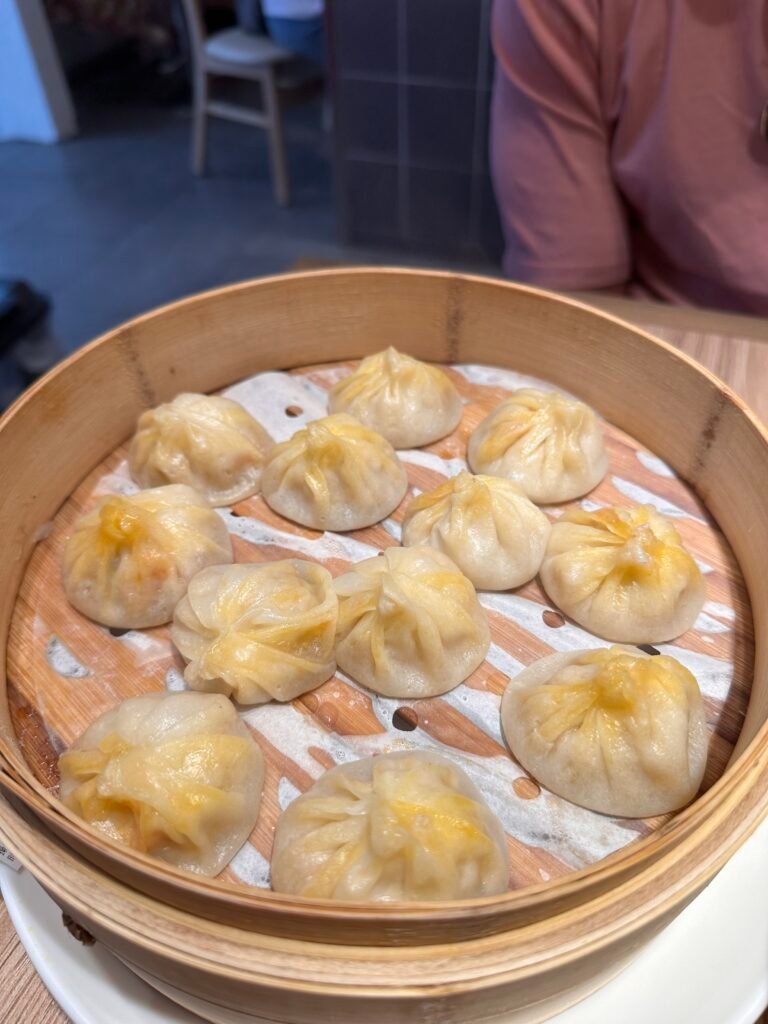
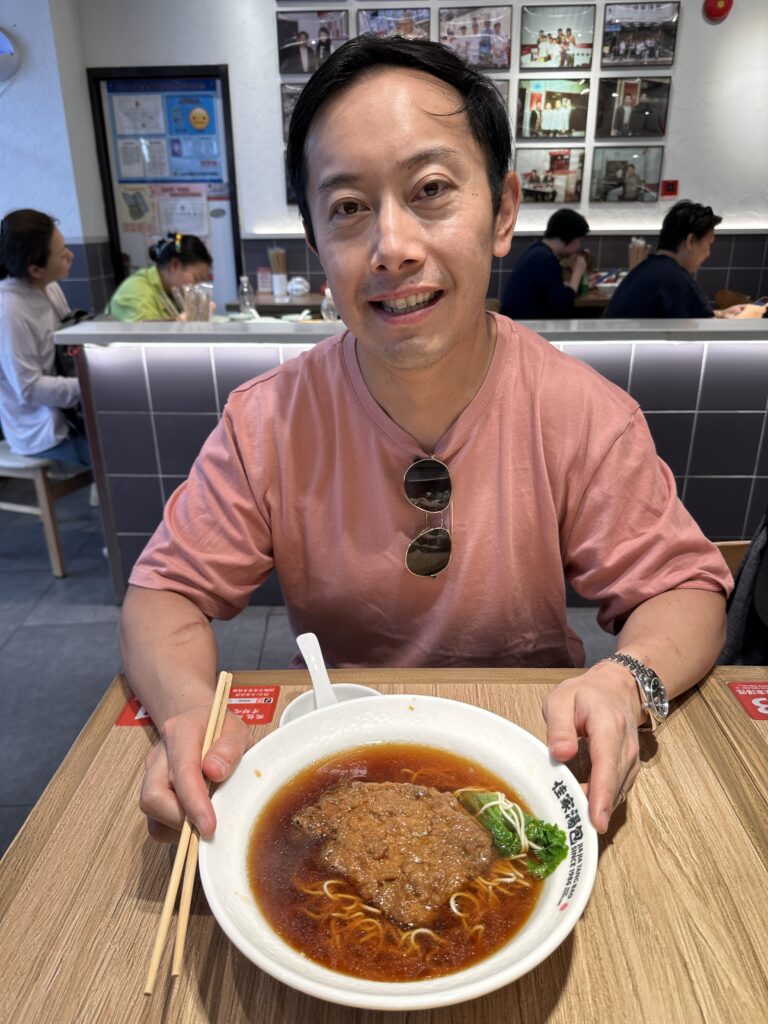
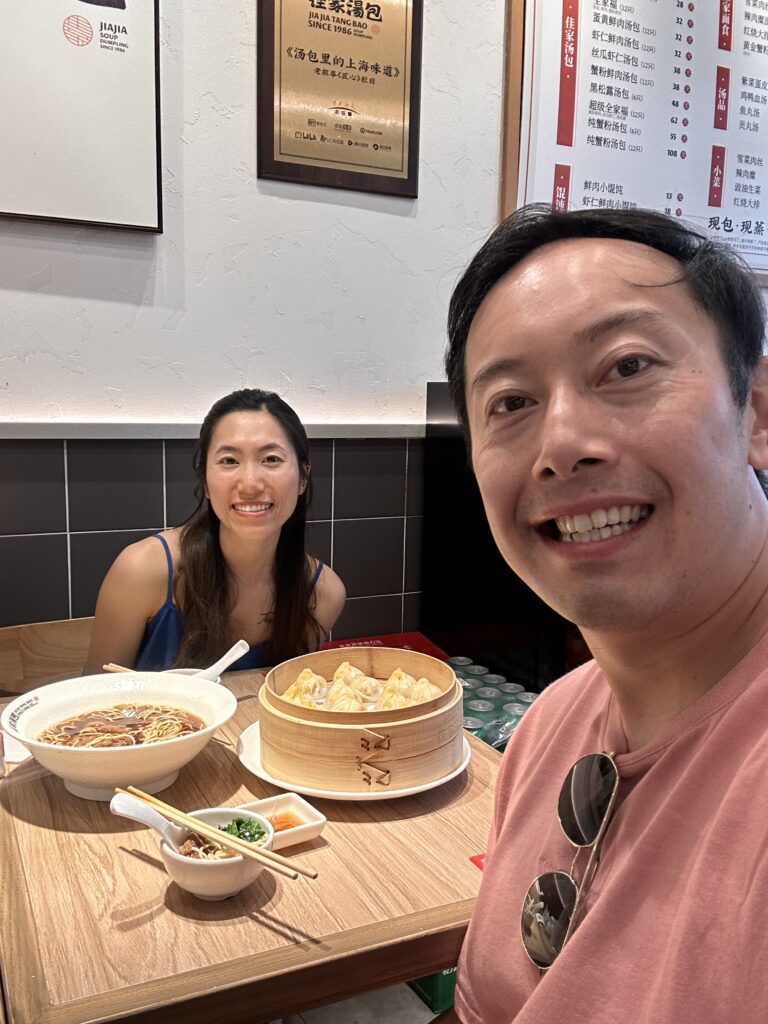
First stop: dumplings at Jia Jia Tang Bao. Steaming baskets arrived at our table like little parcels of joy—delicate skins, rich broth, and that perfect bite that makes you pause mid-conversation. We drifted next towards Nanjing Road, Shanghai’s endlessly electric shopping artery. Neon signs, flagship stores, street performers—it’s a sensory overload in the best way possible. As dusk settled, we traded street-level energy for skyline serenity at the rooftop bar of the The Shanghai EDITION. Drinks in hand (admittedly on the pricier side), we soaked in a cinematic panorama.
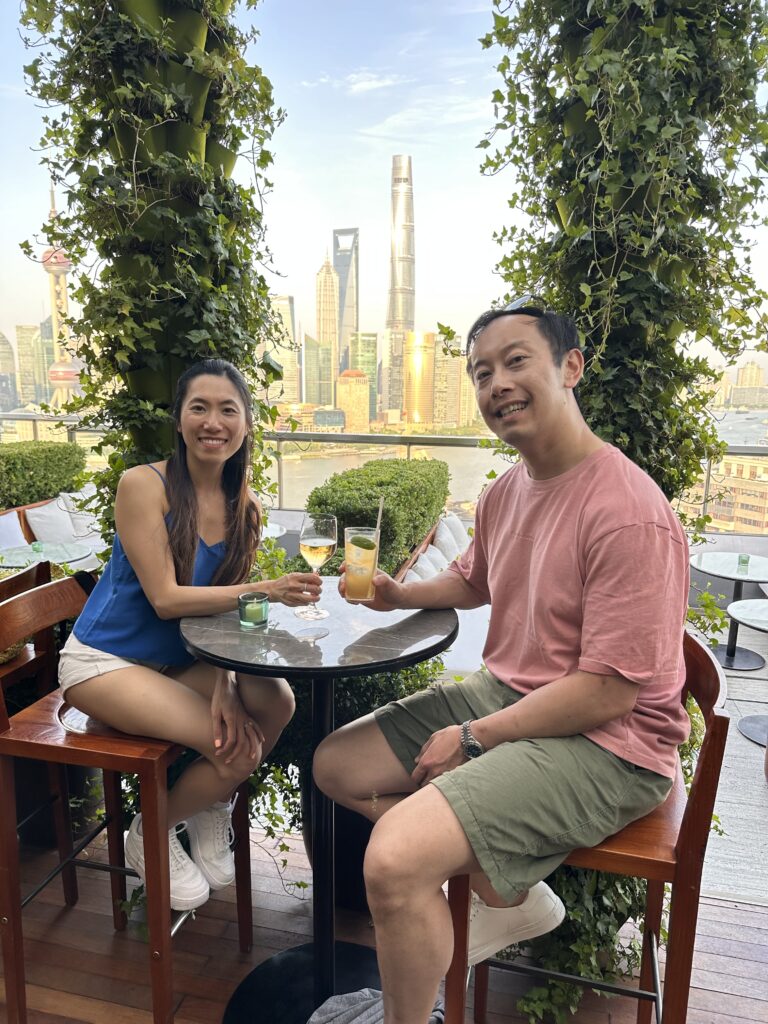
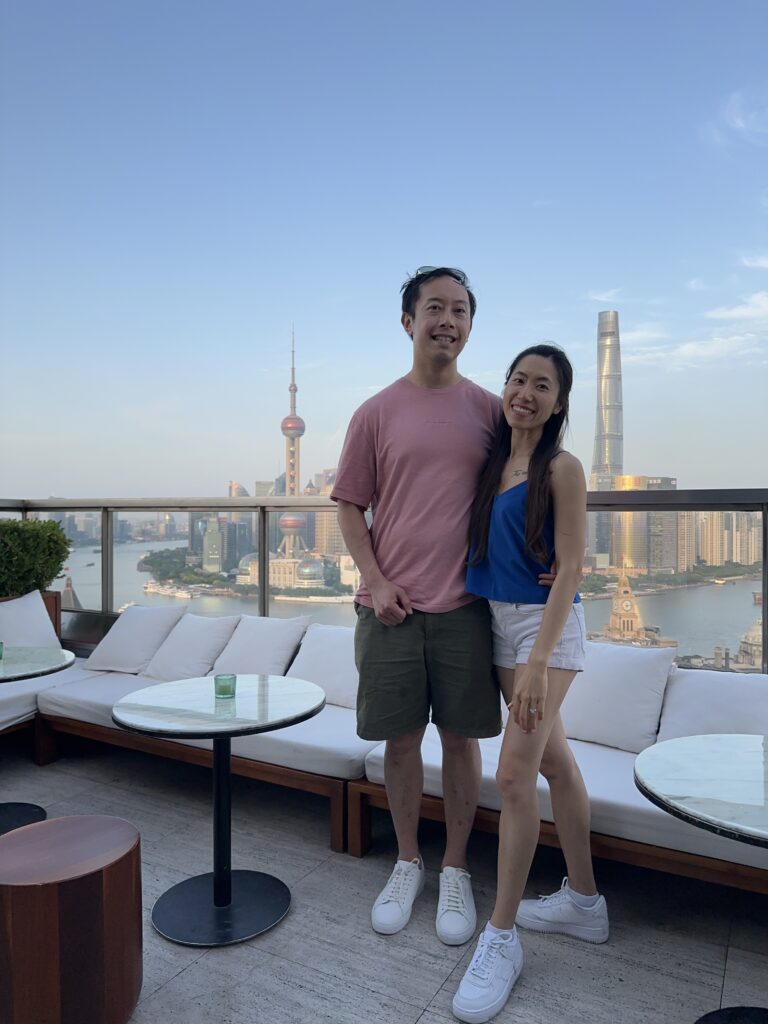
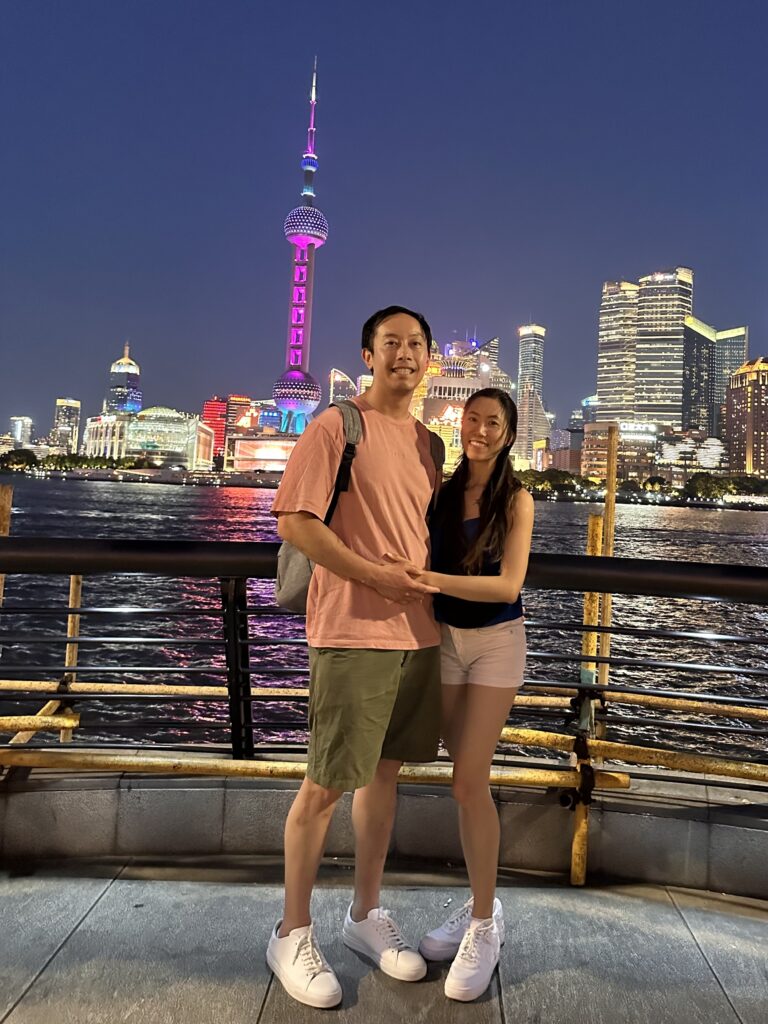
And then, of course, came the walk along The Bund—arguably Shanghai’s most iconic experience. There’s something almost poetic about it: on one side, the stately elegance of colonial-era facades; on the other, a skyline that looks like it’s been borrowed from tomorrow. It’s where Shanghai tells its story in a single glance. We ended the evening on a culinary high at Canton Table—a Michelin-starred experience that somehow feels like a secret. Often whispered about as one of the most affordable Michelin-starred restaurants in the world, it completely shattered expectations.
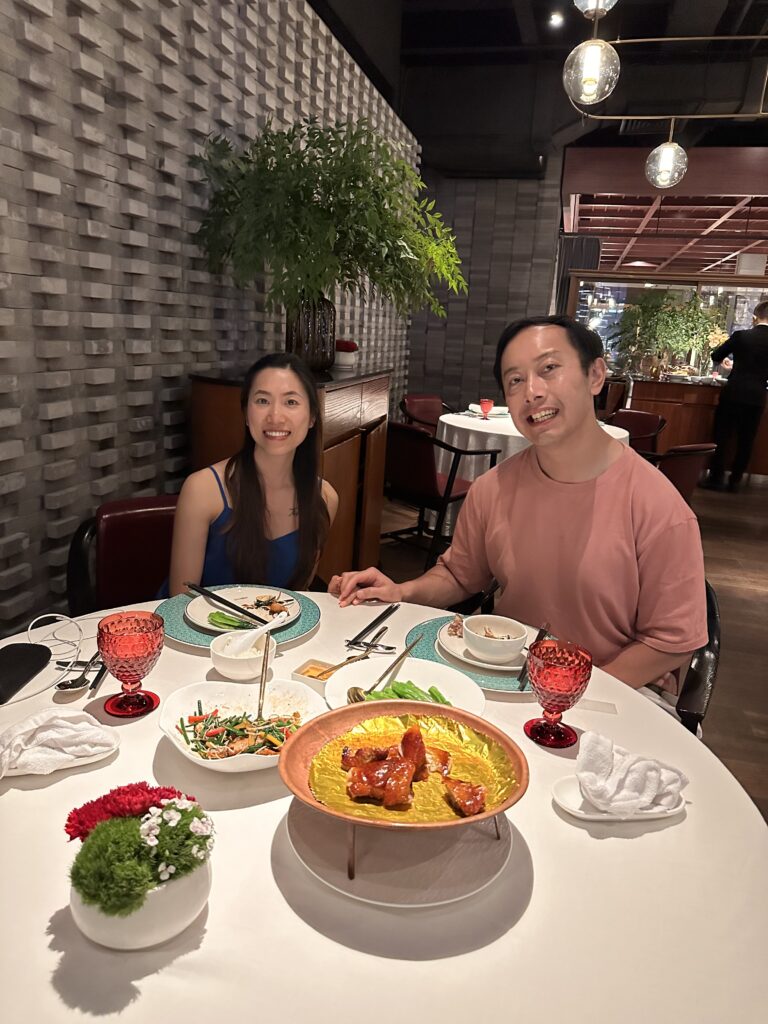
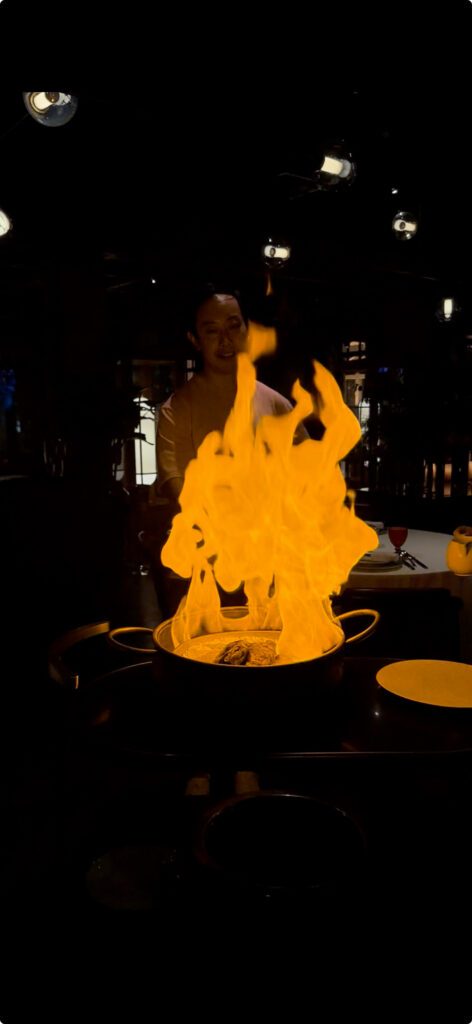
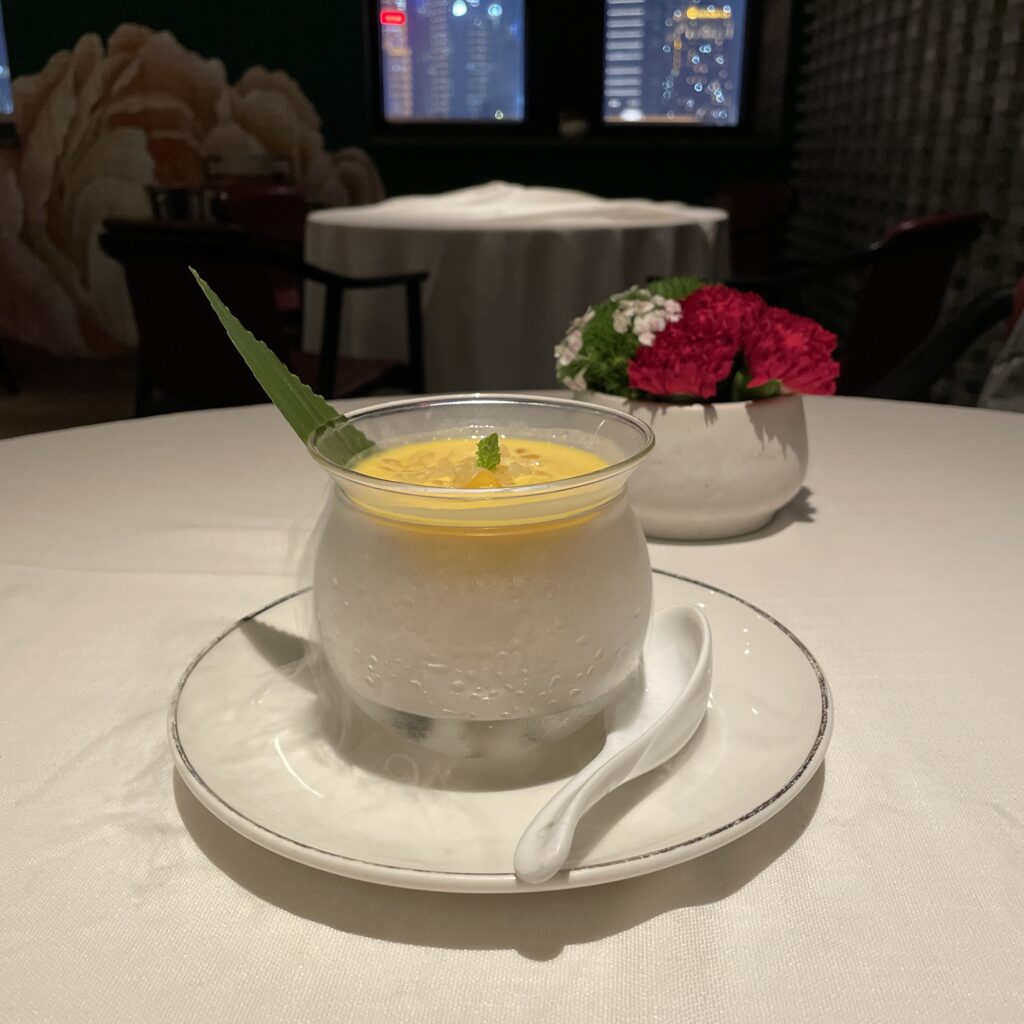
The food? Exceptional. The suckling pigeon arrived with impossibly crisp skin and deep, savoury richness; the flame-roasted chicken was equally flawless—golden, juicy, and layered with flavour. To finish, a chilled sago and mango dessert offered the perfect light, refreshing finale.
Day 2 – Arrive in Osaka and Feast in Dotonbori
We touched down at Kansai International Airport in the golden hush of late afternoon. From there, it was a seamless glide into the city aboard the Nankai Limited Express. We arrived straight into the beating heart of Osaka—Namba Station. Our Airbnb sat just steps from Dotonbori, and within minutes of dropping our bags, we were back out the door, eager to chase the city’s energy.
Our first stop: Abeno Harukas. Rising 300 metres above the city, this isn’t just Japan’s second tallest skyscraper—it’s Osaka from a whole new perspective. We made our way up to Harukas 300, where glass walls stretched endlessly, framing a city that seemed to go on forever. But the real magic? The open-air atrium on the 58th floor. Stepping outside, the wind rushing past and the skyline unfolding beneath us. Add in sleek design, interactive exhibits, and the option to linger over a drink with that view, and you’ve got an experience that’s worth timing perfectly for sunset.
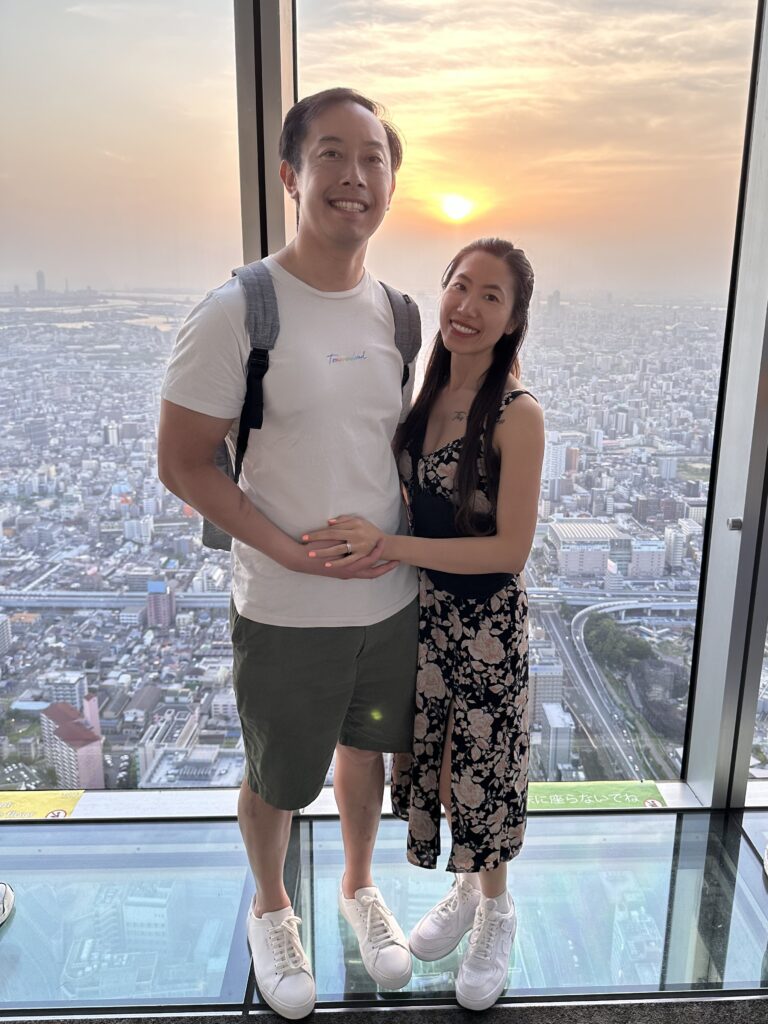
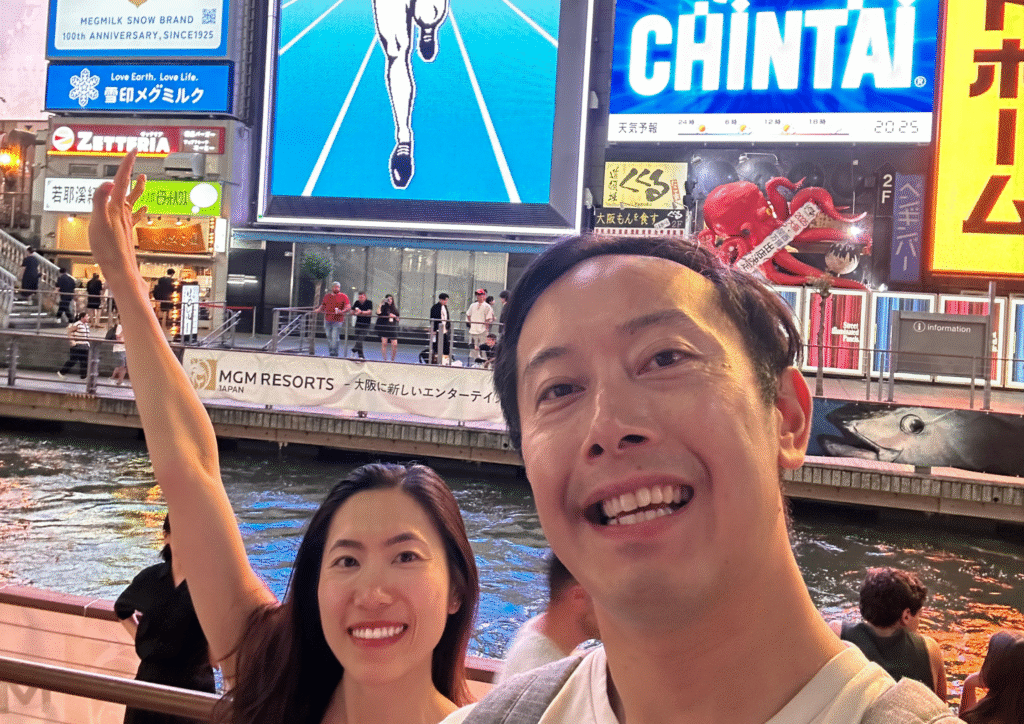
As the night fell, we returned to where Osaka truly comes alive: Dotonbori. If Shanghai felt electric, this was pure voltage. Neon lights flickered to life, led by the ever-iconic Glico Running Man, casting reflections across the canal as crowds surged through the streets. This is Osaka’s playground—and its kitchen. The air was thick with the irresistible scent of sizzling takoyaki, skewers of smoky yakitori, and the sweet promise of melon pan—best enjoyed stuffed with a slab of melting ice cream.
Day 3 – Explore Osaka Castle before Panoramic Views of Umeda Sky Building
Start your morning the Japanese way—with a quick stop at 7-Eleven Japan. It may not sound like a headline attraction, but trust me, this is no ordinary convenience store. The shelves are lined with surprisingly high-quality options that are both satisfying and incredibly affordable. The real delight? Their beautifully wrapped sushi and onigiri. Unpeeling one feels like unwrapping a tiny, thoughtful gift—designed so the crisp nori stays perfectly separate from the rice until the very last second. It’s simple, clever, and oddly satisfying.
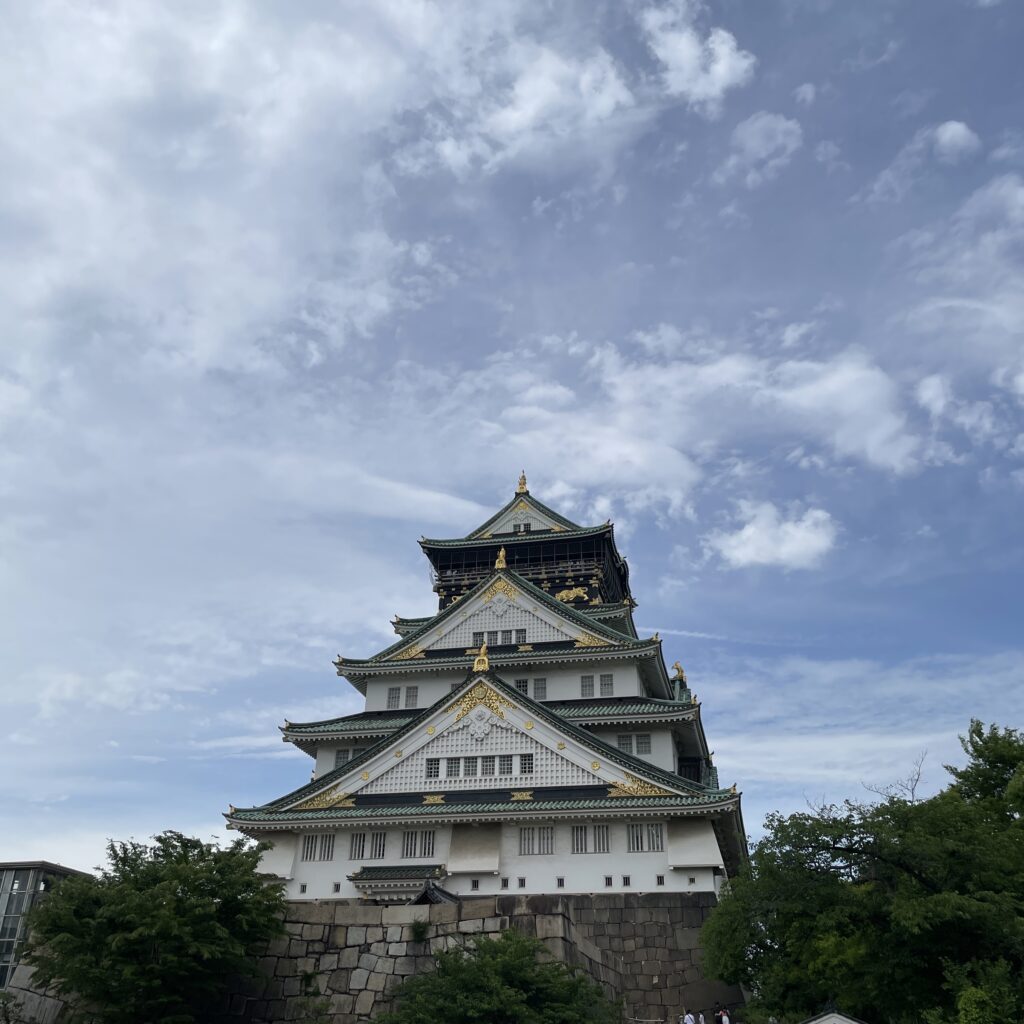
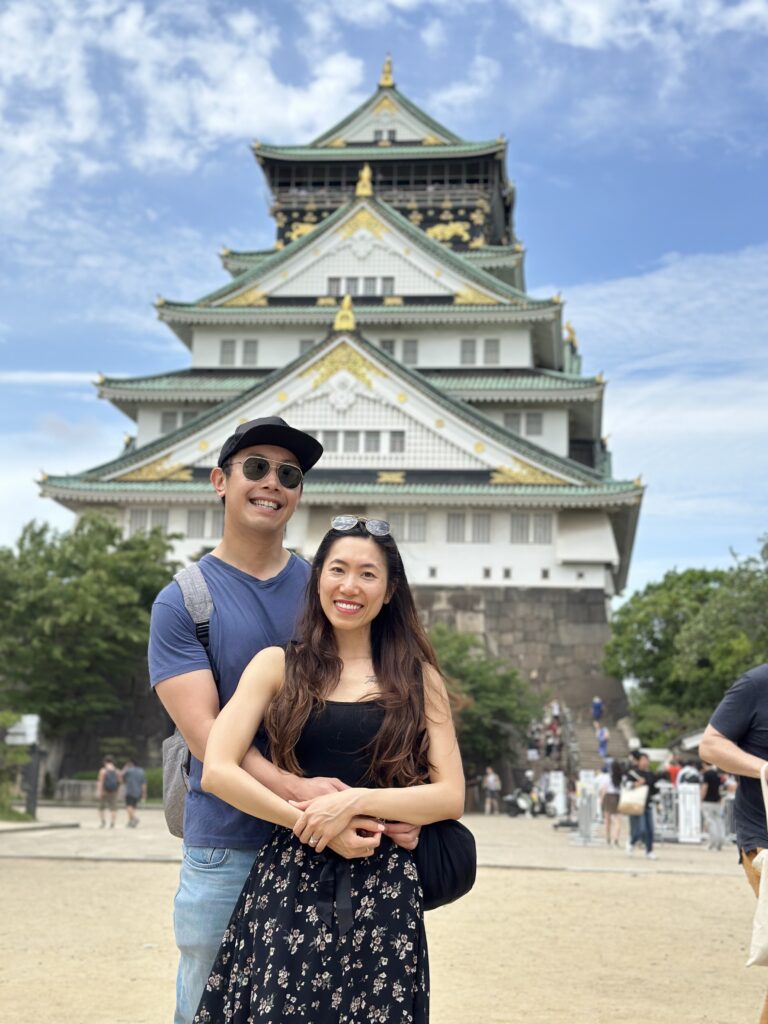
Fuelled and ready, we made our way to Osaka Castle—a striking symbol of Japan’s feudal past. Rising above its surrounding parklands, the castle’s white walls, emerald roof tiles, and shimmering gold accents catch the light in a way that feels almost regal. Originally built in the 16th century, it has been meticulously restored, and stepping inside reveals a rich narrative of the Azuchi-Momoyama period and the life of Toyotomi Hideyoshi, the legendary warlord who helped shape Japan as we know it today.
From history to high-rise, our next stop was the buzzing district of Umeda. Before heading skyward, we ducked into Takimi Koji—a hidden gem tucked beneath the city streets. Designed to resemble a village from the Taisho era, it’s all warm lantern light, narrow alleys, and traditional eateries. Whether you stop for a bite or simply wander, it’s a charming pause in a fast-paced city.
Then came the main event: Umeda Sky Building. If you can brave the glass elevators (not for the faint-hearted), what awaits is one of Osaka’s most exhilarating viewpoints. Unlike the enclosed feel of other observation decks, this one opens up to the sky—literally. Wind in your hair, city stretching endlessly in every direction, and a futuristic architectural design that feels almost otherworldly. If time is tight and you’re choosing between viewpoints, this is the one we’d return to without hesitation.
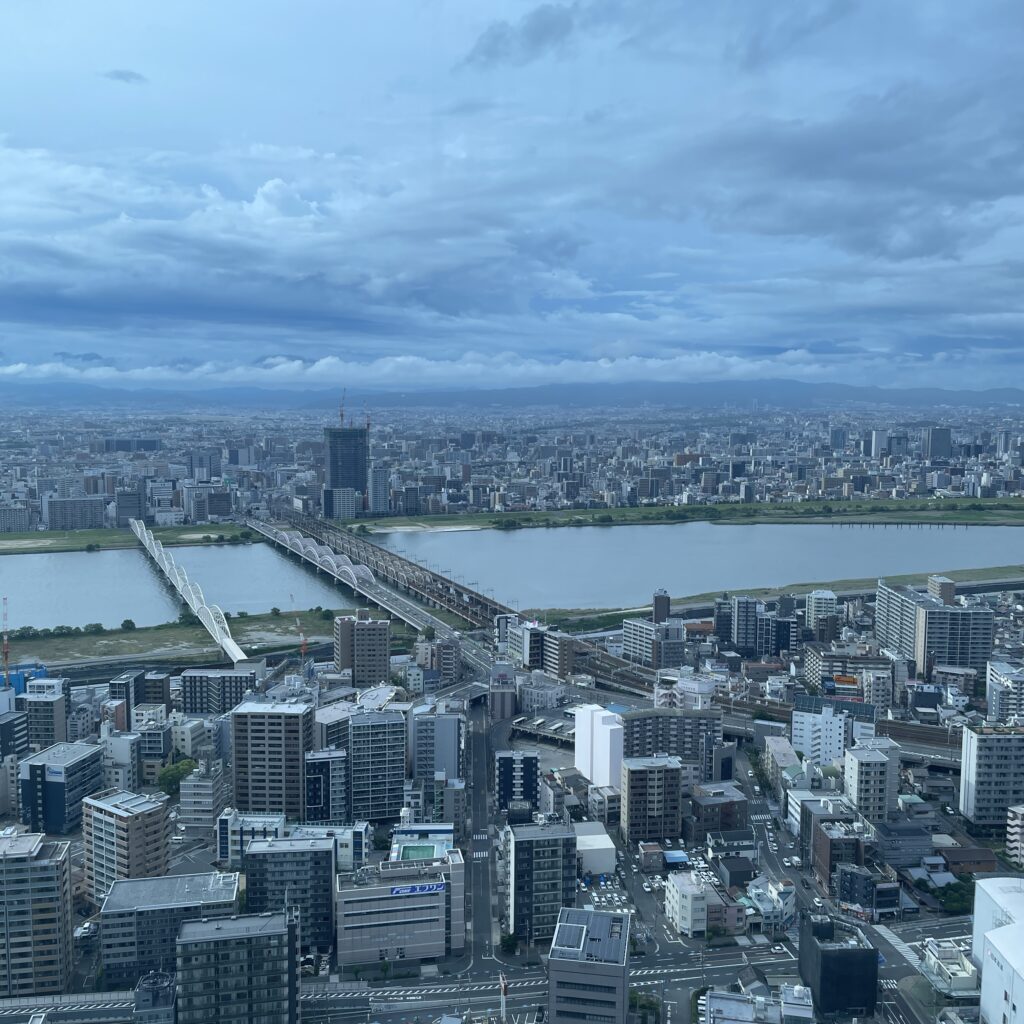
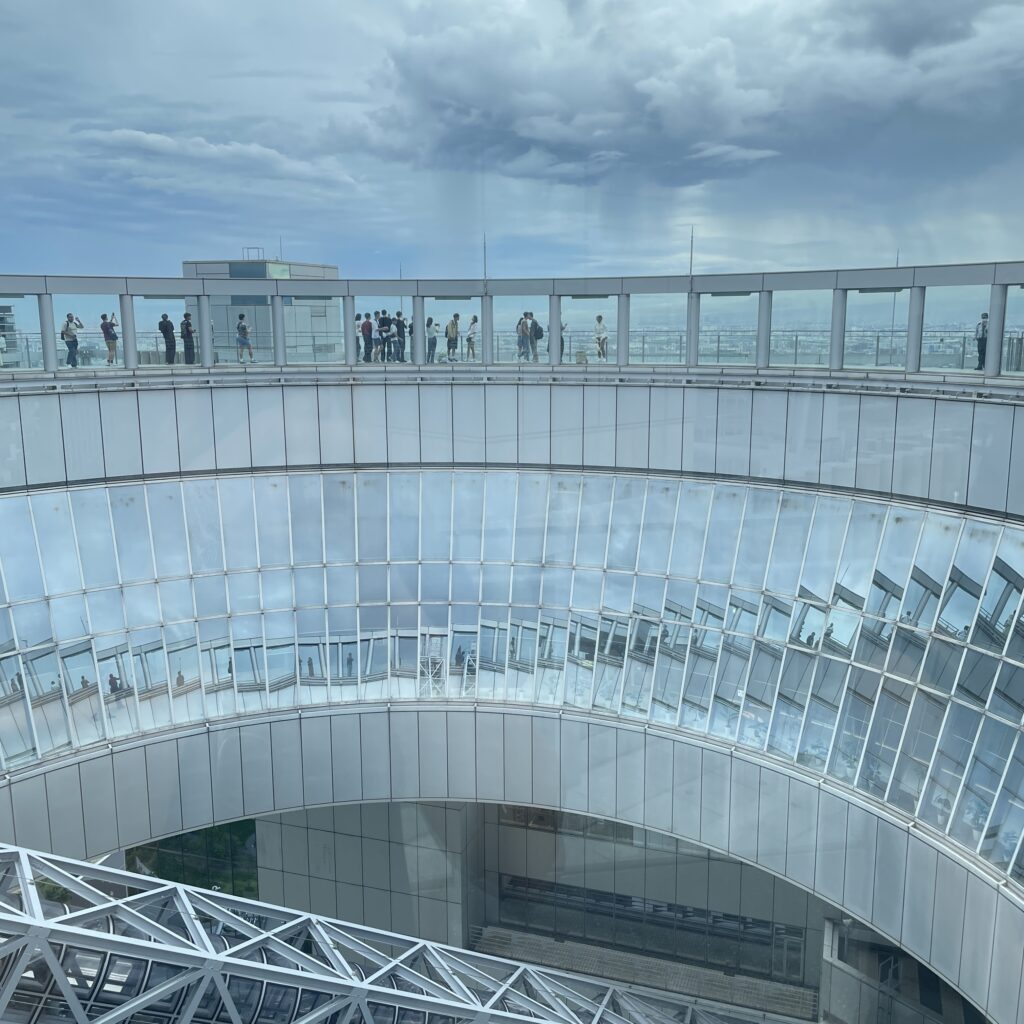
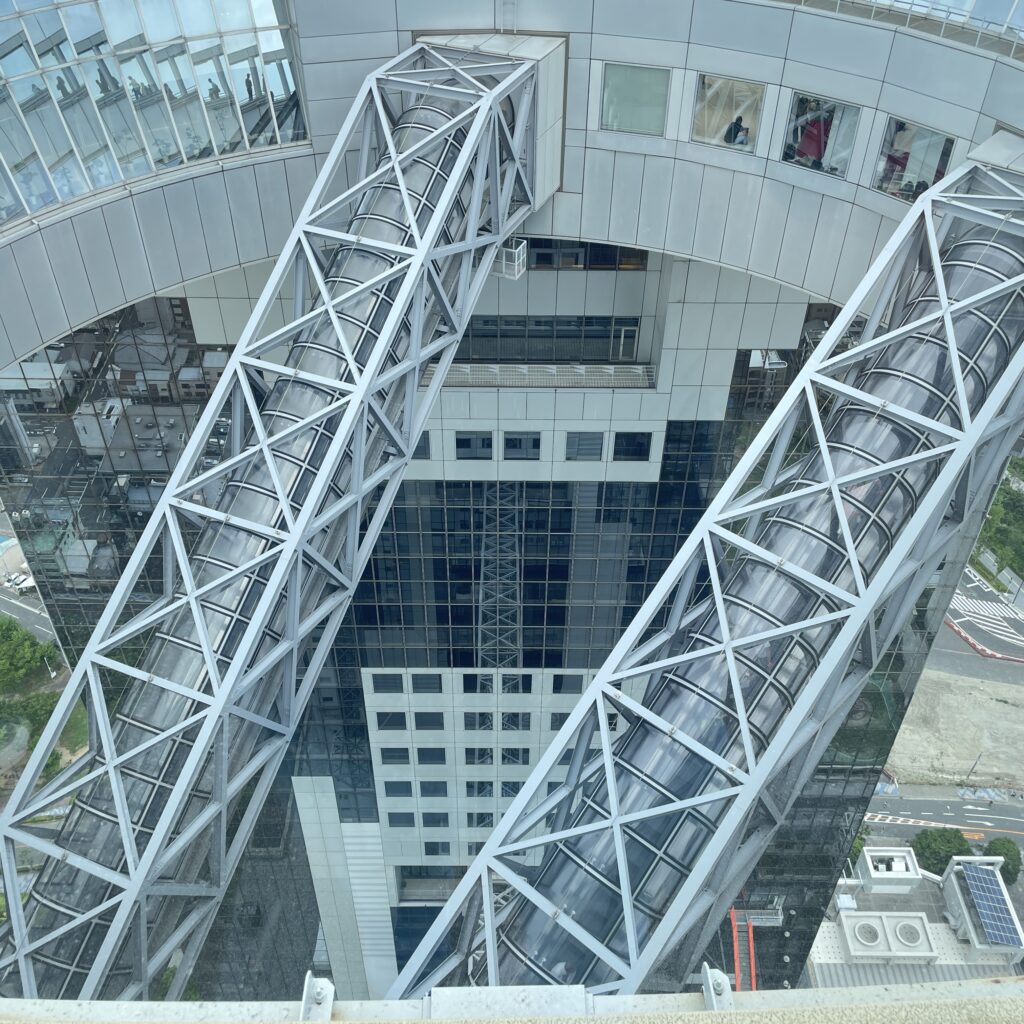
Then came the main event: Umeda Sky Building. If you can brave the glass elevators (not for the faint-hearted), what awaits is one of Osaka’s most exhilarating viewpoints. Unlike the enclosed feel of other observation decks, this one opens up to the sky—literally. Wind in your hair, city stretching endlessly in every direction, and a futuristic architectural design that feels almost otherworldly. If time is tight and you’re choosing between viewpoints, this is the one we’d return to without hesitation.
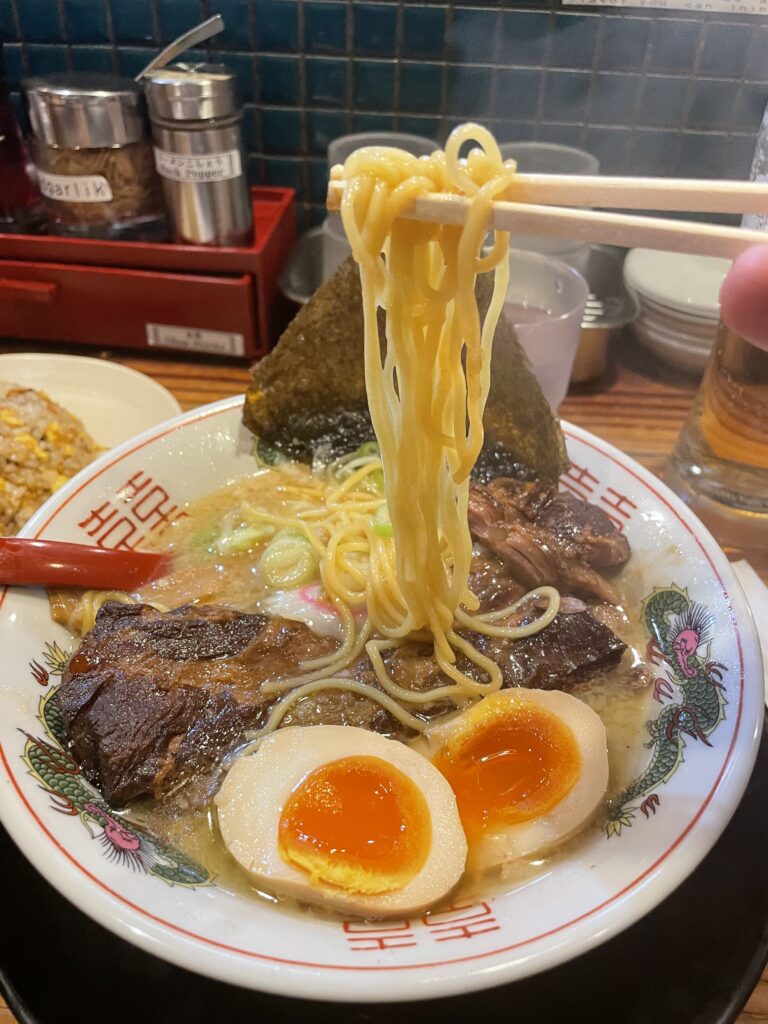
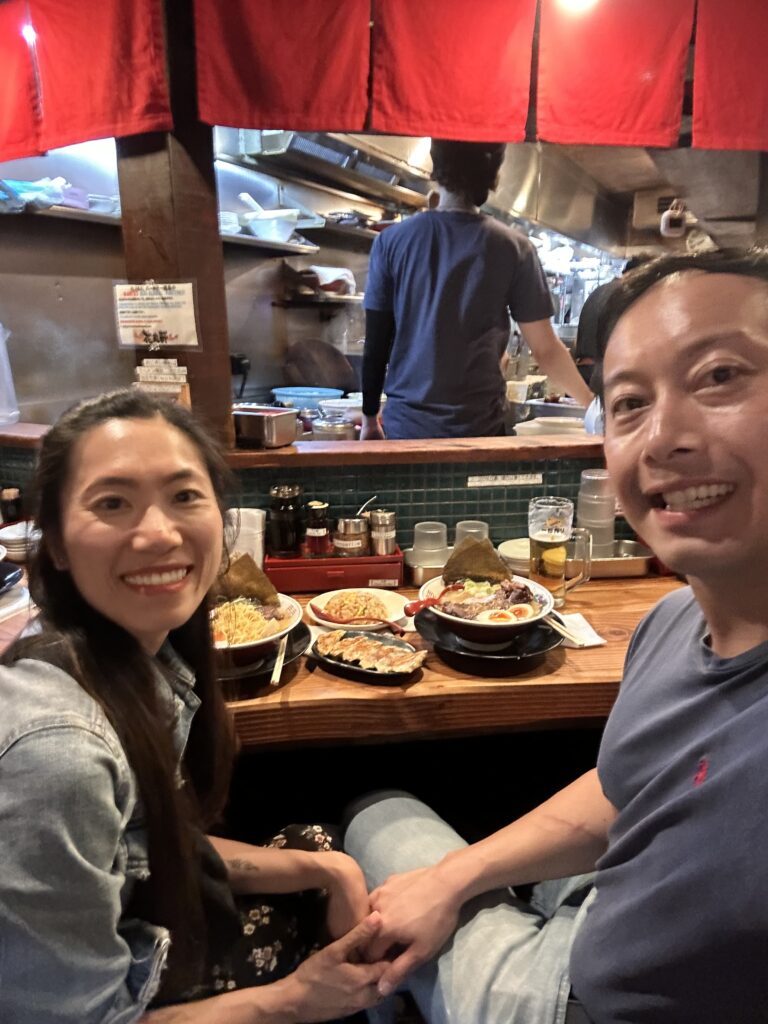
And then, tucked away in the lantern-lit corners of Dotonbori, we found a meal worth writing home about at Hanamaruken Hozenji. Their signature pork rib ramen is nothing short of indulgent perfection—a slow-braised rib so tender it falls apart at the touch of chopsticks, resting in a deep, savoury broth layered with umami. Each bite is rich but balanced, lifted by fresh green onions and a gentle hint of garlic. Add a side of gyoza and an ice-cold beer, and you’ve got a meal that hits every note. The best part? They’re open 24 hours. Because in Osaka, one dinner is never quite enough.
Day 4 – Day trip to Himeji and Kobe
Begin your day at Osaka Station, where the rhythm of the city gently gives way to something more timeless. Hop aboard the Tokaido-Sanyo Line—a route that feels like a quiet prelude to history. In just under an hour, you’ll arrive at Himeji Station, all without the premium price tag of the Shinkansen. It’s a slower, more grounded way to travel—and sometimes, that’s exactly the point.
From the station, a leisurely 16-minute stroll leads you towards one of Japan’s most breathtaking landmarks: Himeji Castle. Often called the “White Heron Castle,” its striking white façade seems to lift effortlessly into the sky, elegant and imposing all at once. As you wander through its wooden corridors and steep staircases, you’re not just exploring a castle—you’re stepping into centuries of samurai history, where every beam and stone has a story to tell.
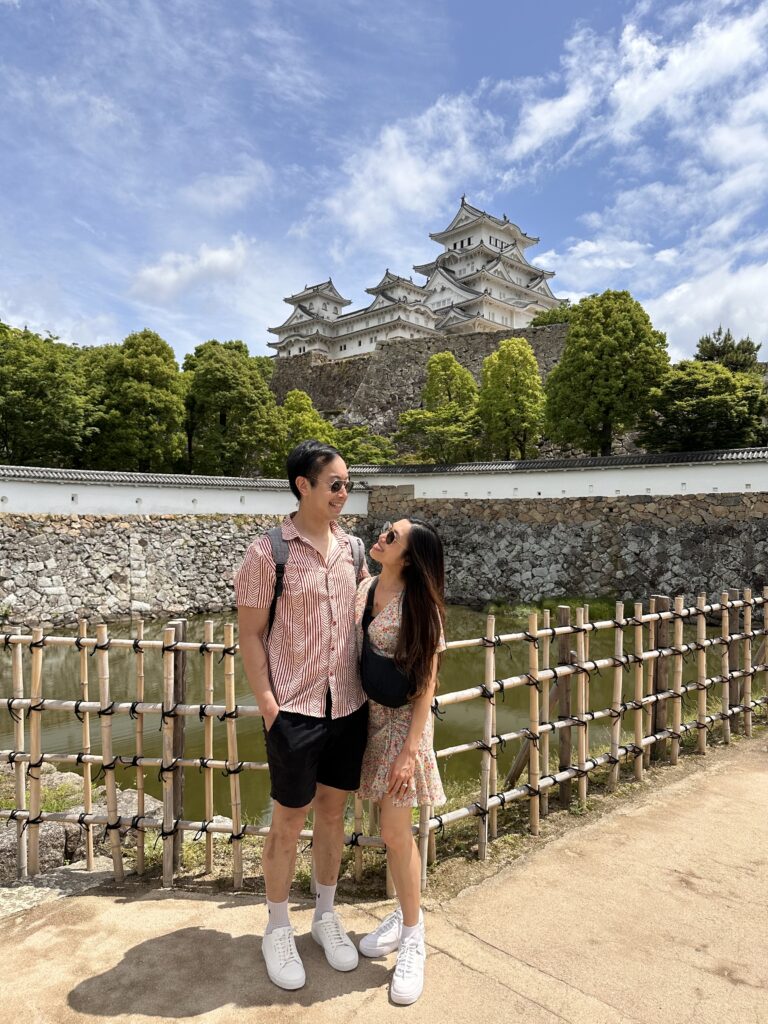
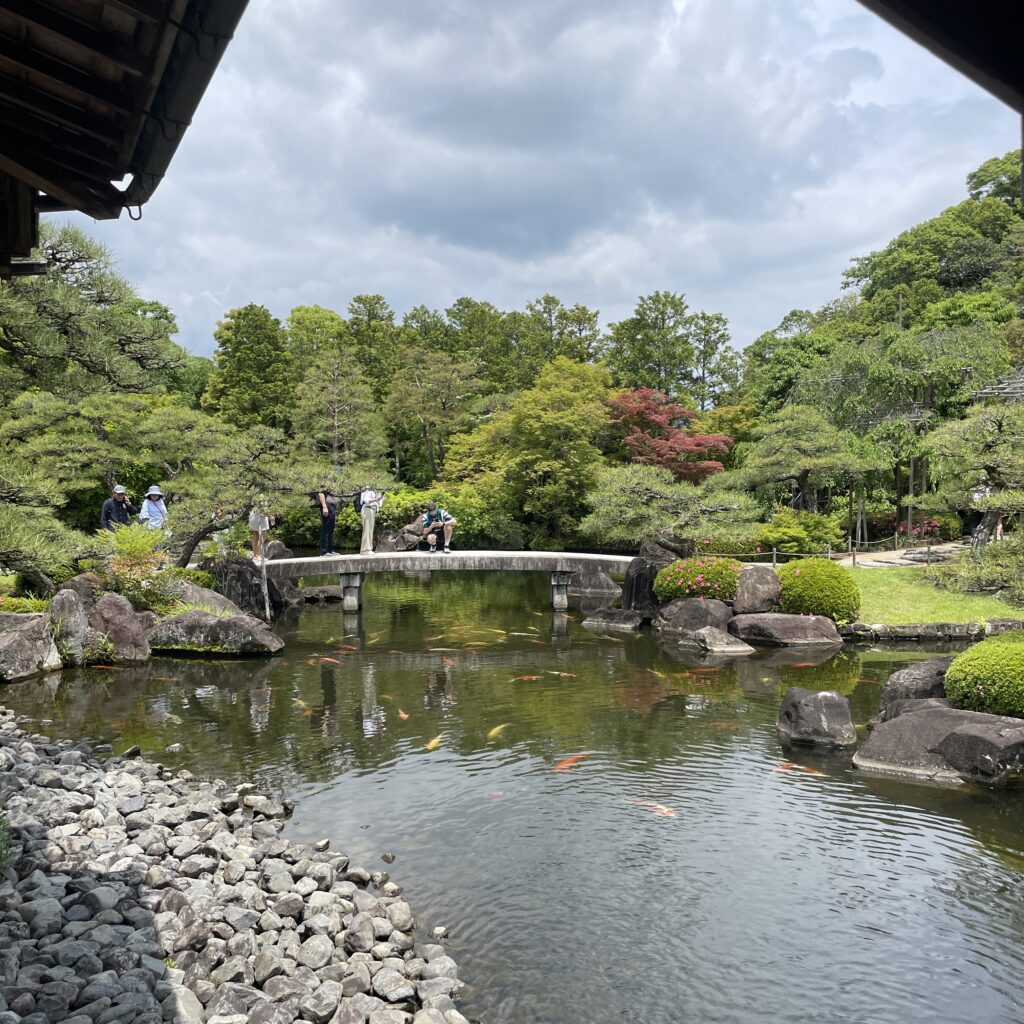
Just beside it lies a quieter treasure: Koko-en Gardens. Here, the pace softens. Edo-period landscaping unfolds in a series of tranquil scenes—koi gliding through still ponds, carefully pruned pines, and teahouses that invite you to pause, breathe, and simply be. It’s the perfect counterpoint to the grandeur of the castle.
By midday, it’s time to follow your appetite. A short journey brings you to Kobe, a city where culinary legend meets cosmopolitan charm. For an unforgettable indulgence, we made our way to Kobe Beef Steak Sakura, where the world-famous Kobe beef takes centre stage. Watching it sizzle on the teppanyaki grill is a performance in itself—each bite impossibly tender, rich, and worth every moment of anticipation.
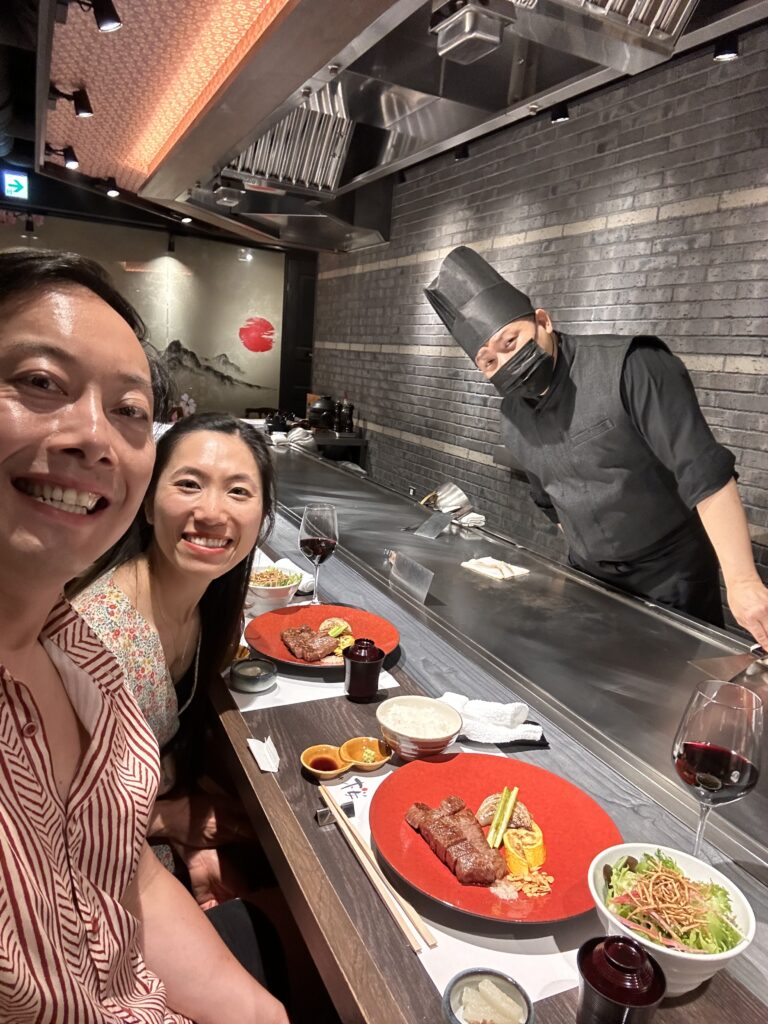
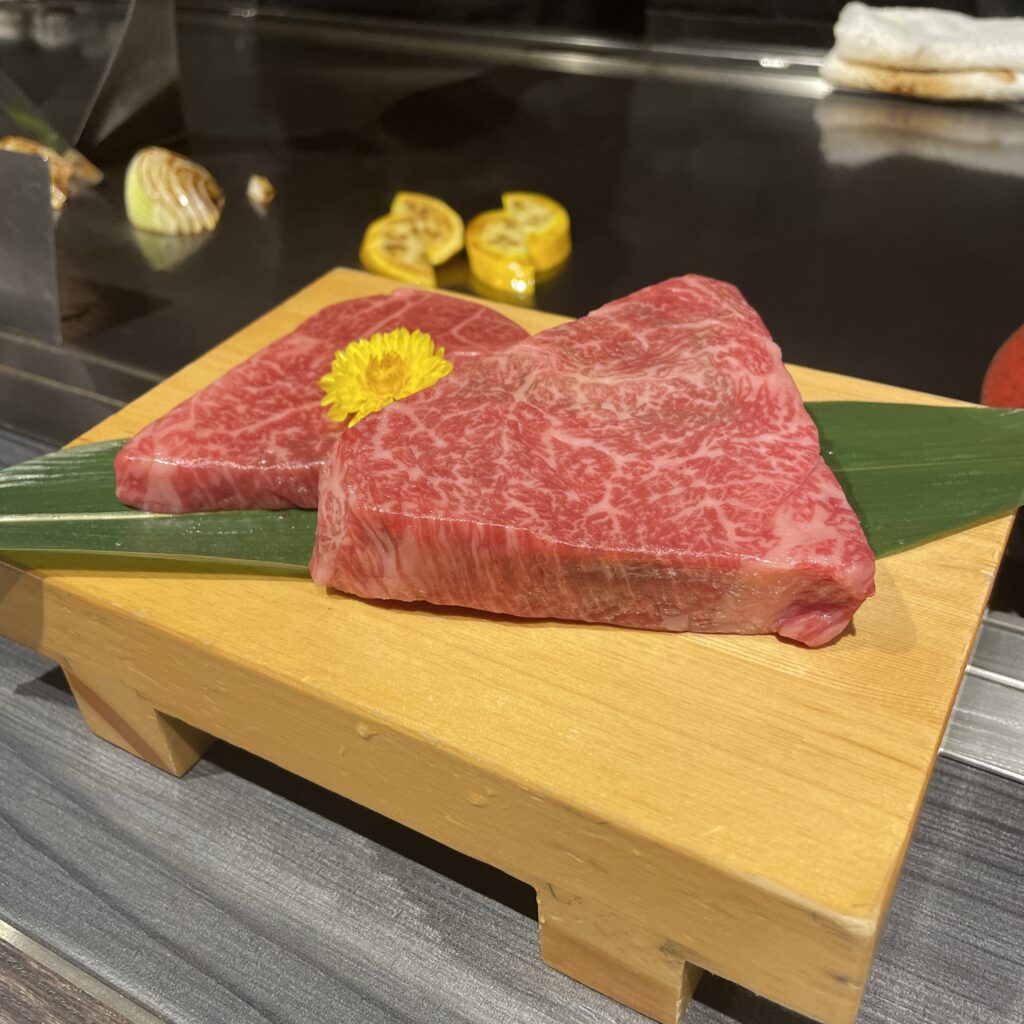
After lunch, we let the city unfold at its own pace—wandering through stylish cafés, lively shopping arcades, and the vibrant colours of Kobe Chinatown. As the afternoon light softened, we found ourselves by the waterfront, pausing at the iconic BE KOBE Sign. With the sea breeze in the air and the harbour stretching beyond, it felt like the perfect full stop to a beautifully layered day.
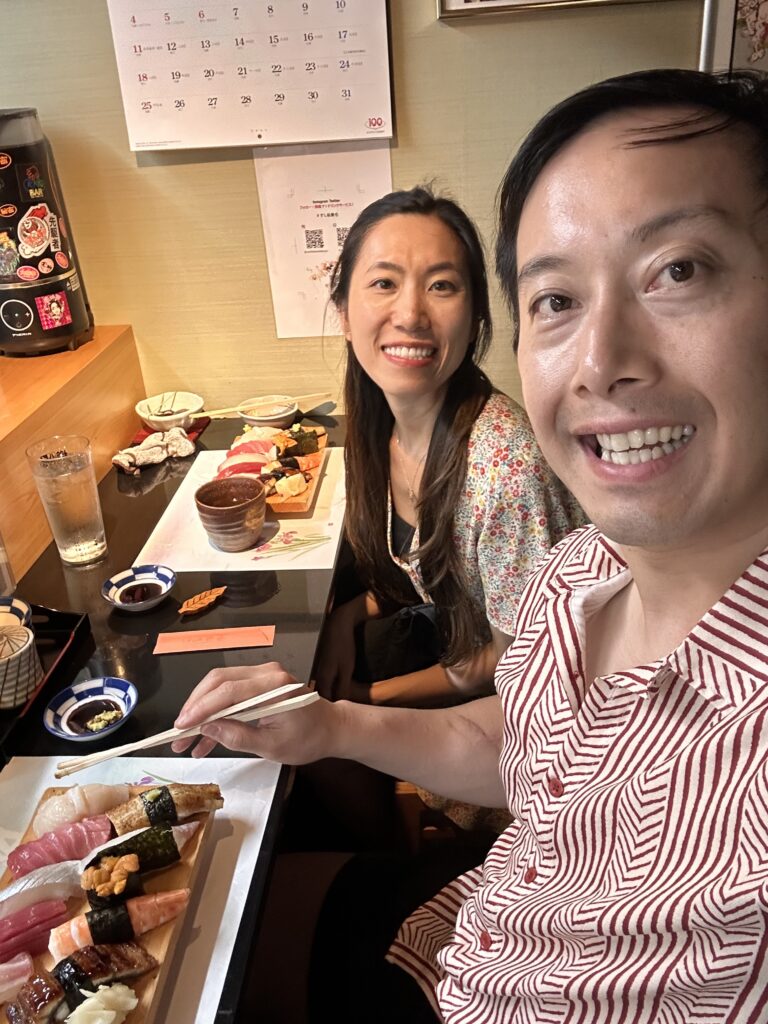
Back in Osaka, the night offered one final decision: refined elegance or street-side comfort. Whether you settle into the intimate calm of Sushi Katsuya for an exquisite sushi dinner, or find yourself once again drawn to the irresistible pull of takoyaki under neon lights, one thing is certain—this is a day that lingers long after it ends.
👉 Want the full step-by-step guide to this day trip? Head over to the complete post on day trip to Himeji and Kobe from Osaka for tips, timings, routes, and all our favourite local spots!
Day 5 – Arrive in Kyoto and Have Oodles of Noodles
With Kyoto just a short distance away, there’s little need to splurge on the Shinkansen—unless you’re making full use of a JR Pass. We opted for the local subway instead, easing our way into the city before arriving at the grand gateway of Kyoto Station.
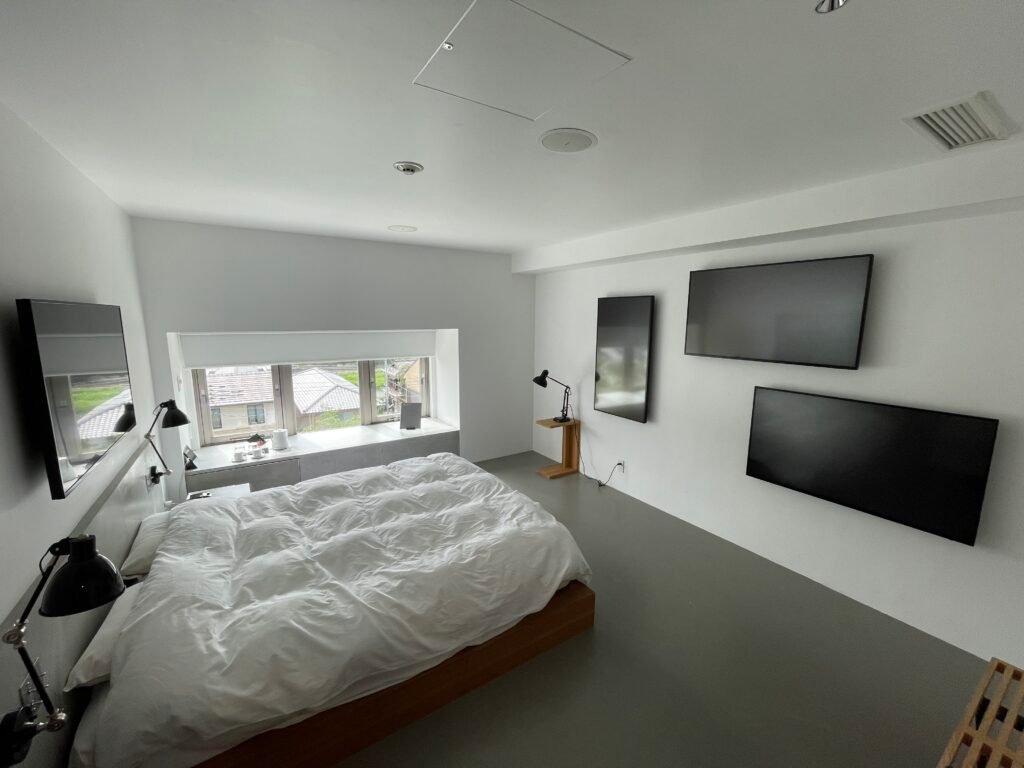
Our stay at BnA Alter Museum felt less like checking into a hotel and more like stepping into a living gallery. Each room is uniquely designed by artists, and ours came alive with digital wall art—mesmerising when switched on, blissfully minimal when turned off. But what truly stood out? Space. By Japan standards, it was enormous—the kind of room you don’t realise you’ve missed until you have it again. We would definitely recommend staying here, we were able to easily explore Kyoto and it was a fantastic base.
Lunch led us to a hidden gem: Eishou Tei, a humble, family-run spot that radiates warmth. In a charming twist of hospitality (or perhaps a gentle misunderstanding), we ordered one soba and tempura set… and were served two. No complaints here—the soba was delicate and perfectly textured, the tempura impossibly light and crisp. Just remember: it’s cash only.
A few steps away, the sensory hum of Nishiki Market pulled us in. This narrow, bustling arcade is a feast for the senses—grilled skewers, pickled delicacies, and vendors calling out to passersby. While the atmosphere is undeniably vibrant, prices can lean towards the touristy side. Case in point: a single Omi beef skewer and two shrimp skewers set us back ¥4400—fresh, yes, but not quite the value we’d hoped for.
From there, the day slipped effortlessly into retail therapy. We wandered, browsed, and somehow lost all sense of time inside UNIQLO—a dangerous place for anyone who appreciates well-designed basics. Bags in hand, we also discovered Japan’s impressively efficient eyewear shops, where off-the-shelf reading glasses can be fitted and ready in no time. For more tailored prescriptions, though, it’s worth allowing a little extra time.
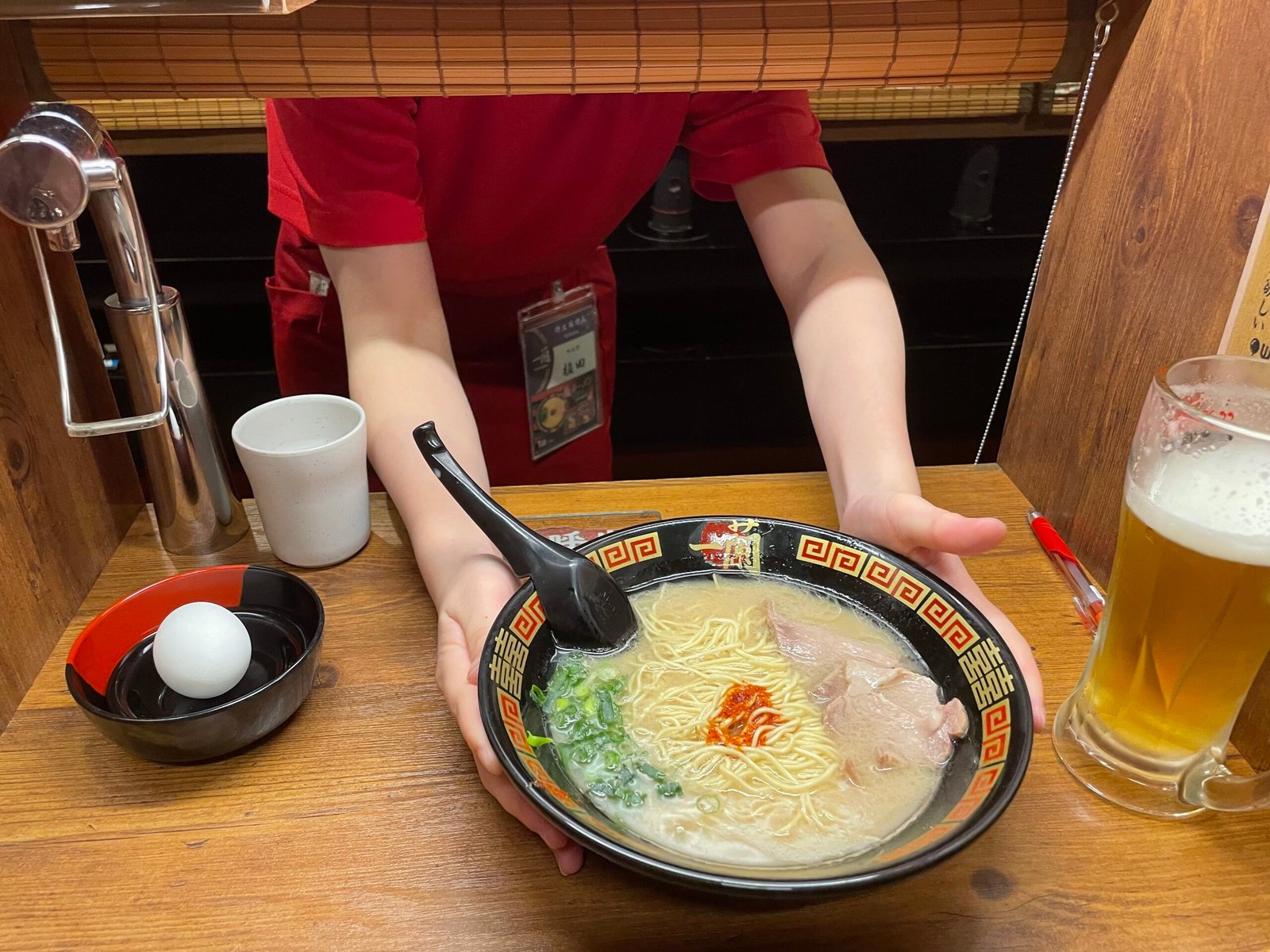
By evening, arms full and feet weary, we made our way to Ichiran—arguably one of Japan’s most iconic ramen experiences. Here, dining becomes deeply personal. You customise every element of your bowl, from broth richness to noodle firmness, before settling into your own private booth. No distractions, no small talk—just you and a perfectly crafted bowl of ramen, exactly the way you like it.
Day 6 – Slither through the Inari Gates
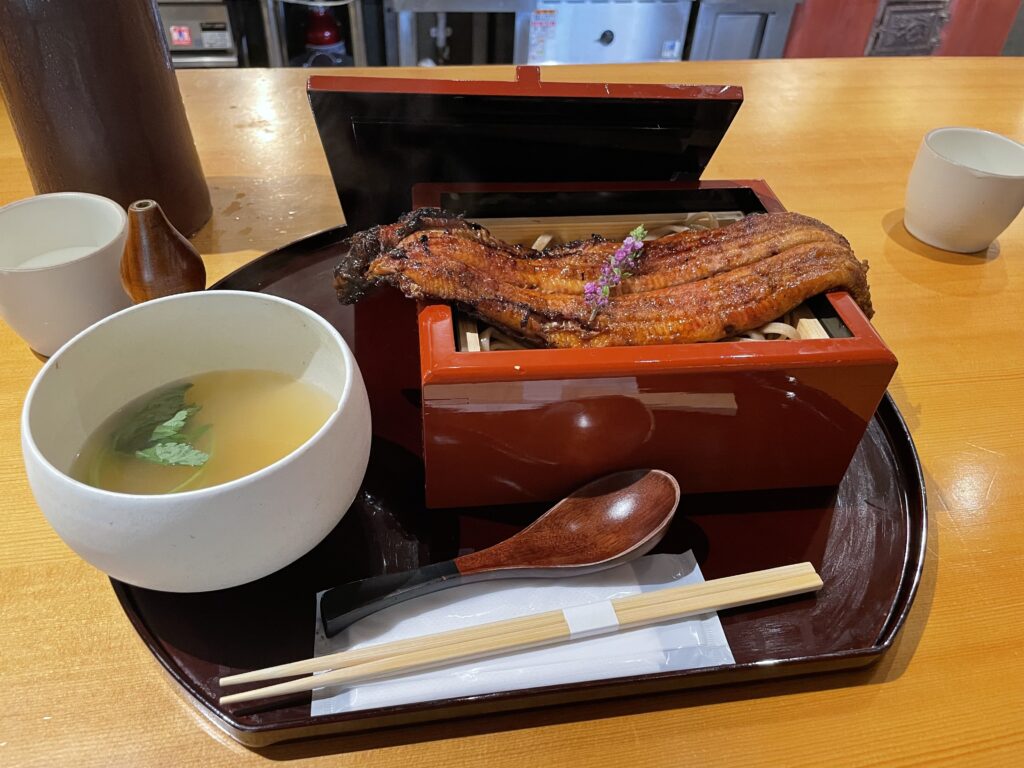
We eased into the morning—no alarms, no rush—letting Kyoto set the pace. A short ten minute stroll brought us to Gion Kanaya, a quietly refined spot tucked into the charm of Gion. With just a handful of seats, you’re placed right at the heart of the action, facing the kitchen as each dish is prepared with care. What arrived was simplicity at its finest: delicate, perfectly grilled eel laid gently over a bed of noodles. Subtle, elegant, and deeply satisfying.
From there, we wandered to Gion-Shijo Station and boarded the Keihan Main Line towards one of Kyoto’s most iconic sights—Fushimi Inari Taisha. Nothing quite prepares you for it. Thousands upon thousands of vermilion torii gates form winding tunnels that climb steadily up Mount Inari, each step drawing you deeper into something almost meditative. It’s a hike as much as it is a spiritual journey, with quiet shrines, forested paths, and the occasional opening that reveals sweeping views over Kyoto. You could easily spend hours here, following the trail all the way to the summit.
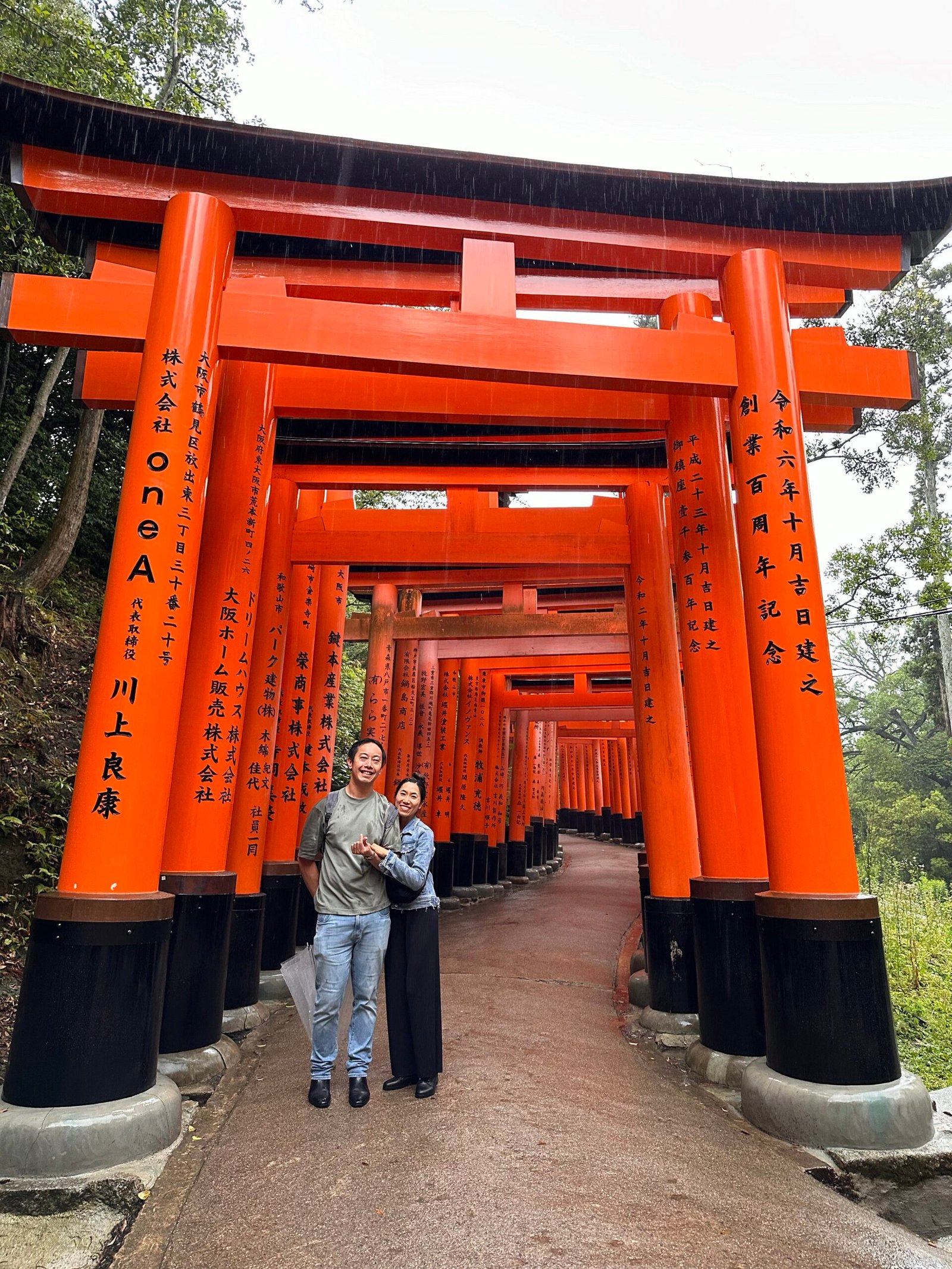
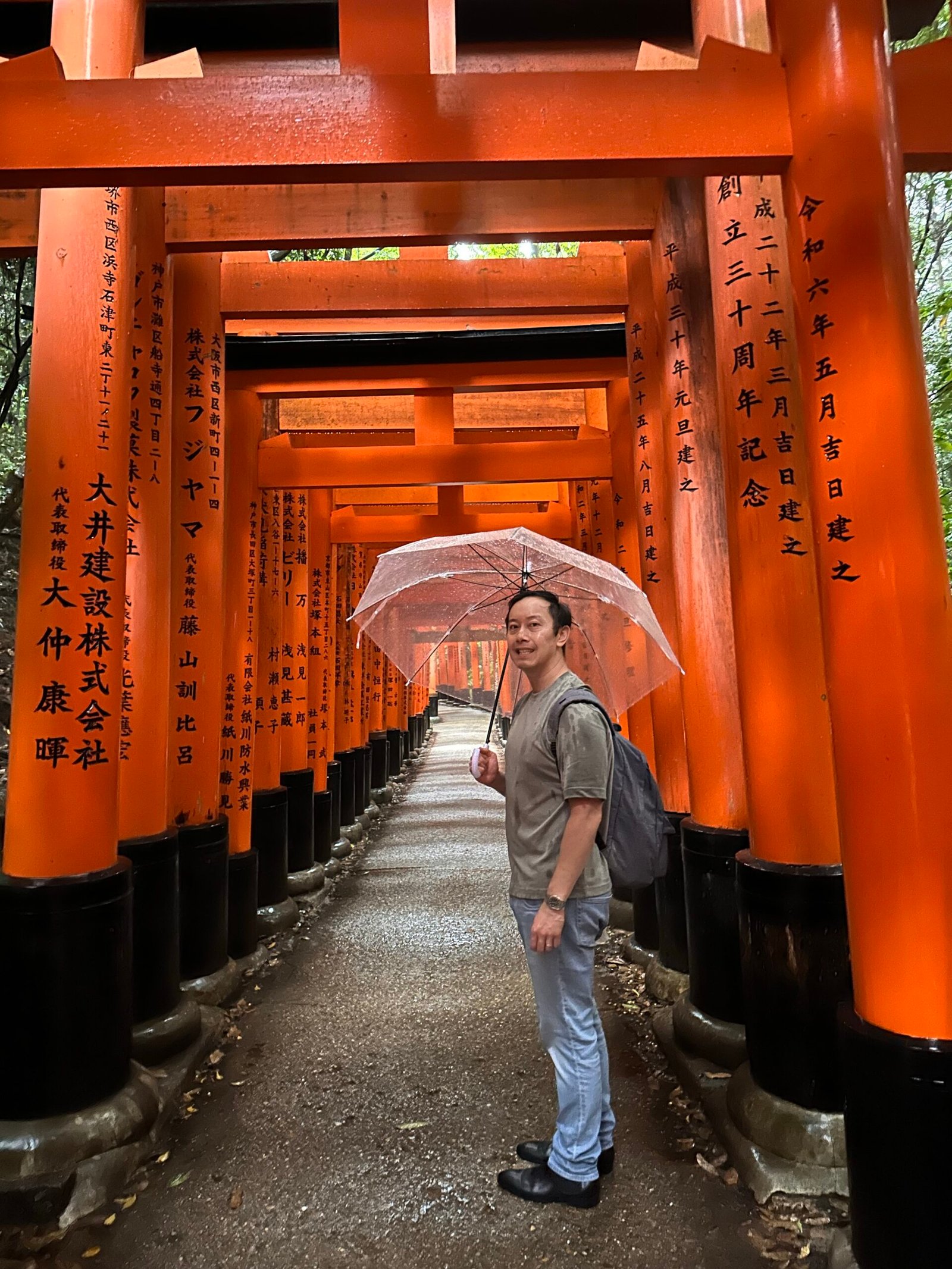
And if the rain comes? Embrace it. We did—and it transformed the experience. The crowds thinned, the pathways glistened, and the gates seemed even more vivid against the mist. It felt calmer, more intimate—like Kyoto was letting us in on a secret. Post-hike, with legs pleasantly tired, we made our way back into the city and did exactly what the moment called for: a massage. With the rain still falling outside, it was the perfect reset—warm, quiet, and deeply restorative.
By evening, cravings took over, and we followed them straight to Niigata Katsudon Tarekatsu. Comfort food, elevated. The katsu curry arrived generous and unapologetic—the pork cutlet golden and crisp, the curry rich and overflowing with flavour. It was hearty, indulgent, and exactly what we needed to end the day.
Day 7 – Day trip to Nara and Uji, returning via Arashiyama
We were up early—one of those purposeful starts where you know the day ahead is going to be full. Breakfast was quick and comforting: a steaming bowl of udon to set the tone before heading out of the city towards Uji, the spiritual home of Japan’s finest matcha.
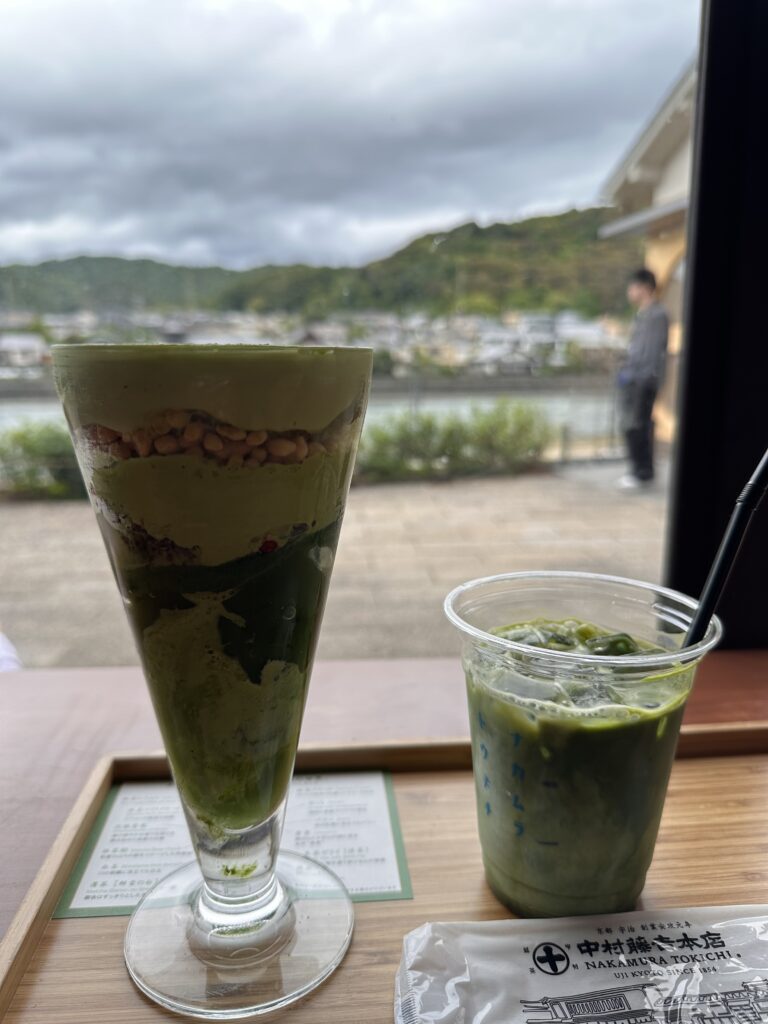
If you’re planning this, timing is everything. Arrive early—queues begin forming well before doors open, and the most sought-after items disappear fast. We made our way to Nakamura Tokichi, a name synonymous with premium green tea. Their matcha parfait? Every bit worth the wait. Layered, delicate, and beautifully balanced—it’s less a dessert and more an art form in a glass.
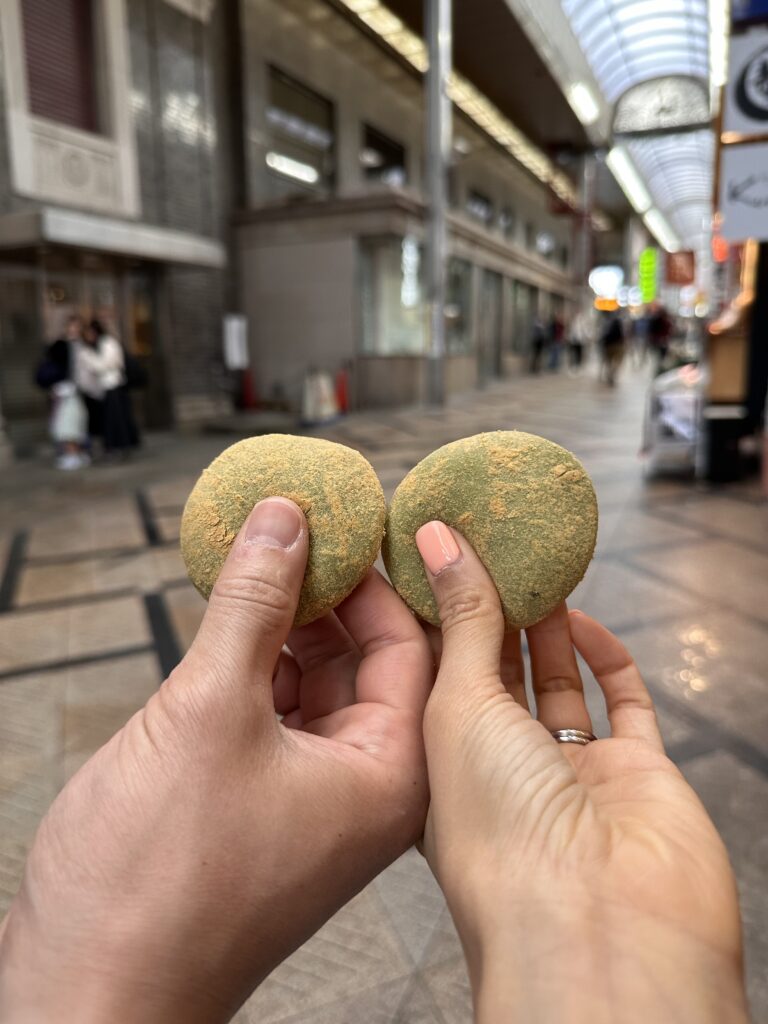
From there, we continued on to Nara, where the pace softens and the atmosphere feels almost storybook-like. Before the deer, though, we made a stop at Nakatanidou—and this is where things get lively. Crowds gather to watch the mesmerising rhythm of mochi pounding, where craftsmen move in perfect sync, turning rice into pillowy-soft perfection in seconds. The result? Warm and fresh mochi so light it practically dissolves on your tongue, giving way to a rich, sweet red bean centre. A must, without question. Pro tip: ask the shop when the next show would be so you can plan your time accordingly.
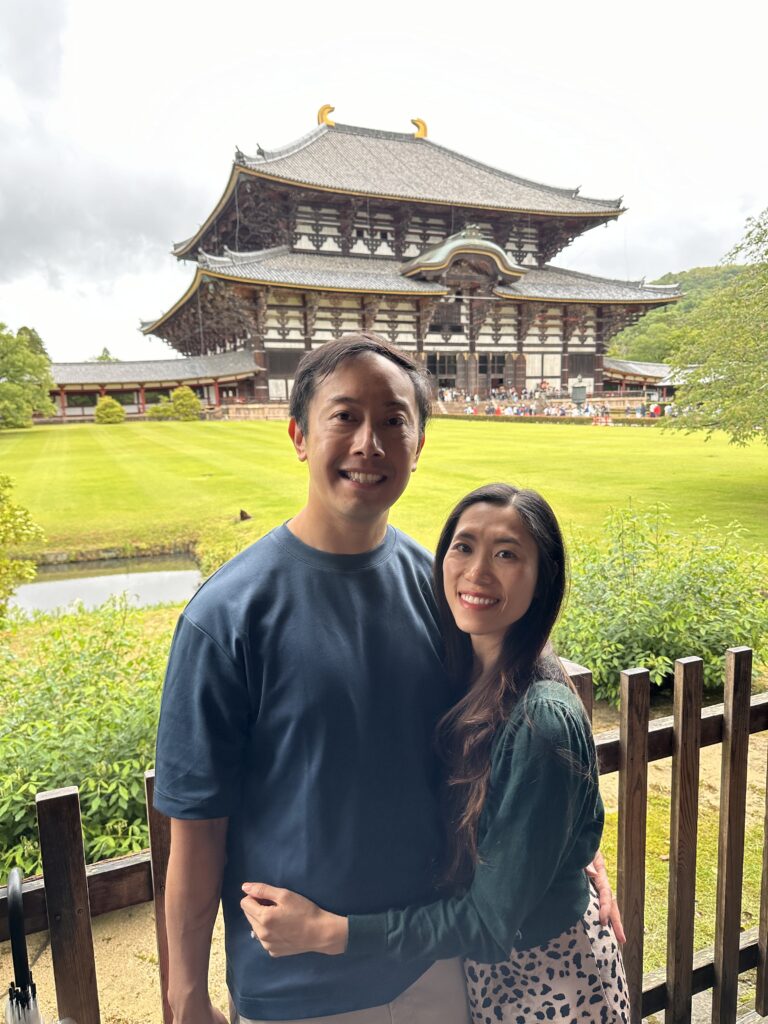
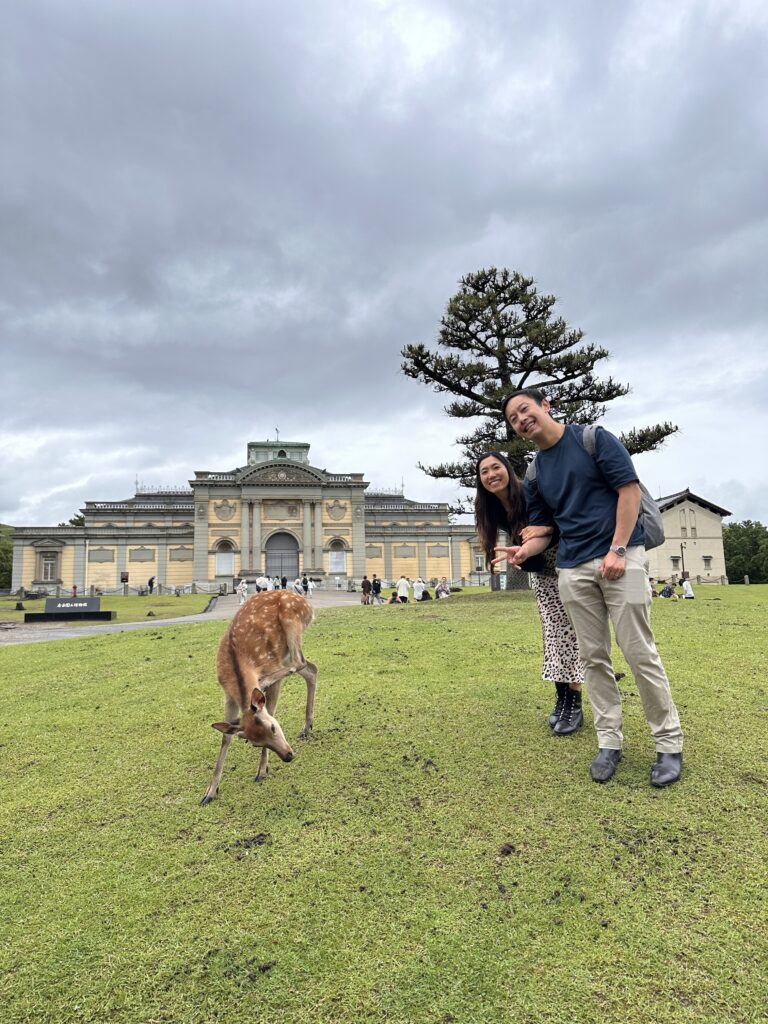
Then came the stars of the show. We wandered towards Todai-ji, home to the awe-inspiring Great Buddha, pausing along the way to meet Nara’s famously polite (and occasionally persistent) deer. Armed with biscuits, we bowed—and were met with enthusiastic bows in return. Equal parts charming and chaotic, it’s an experience you won’t forget.
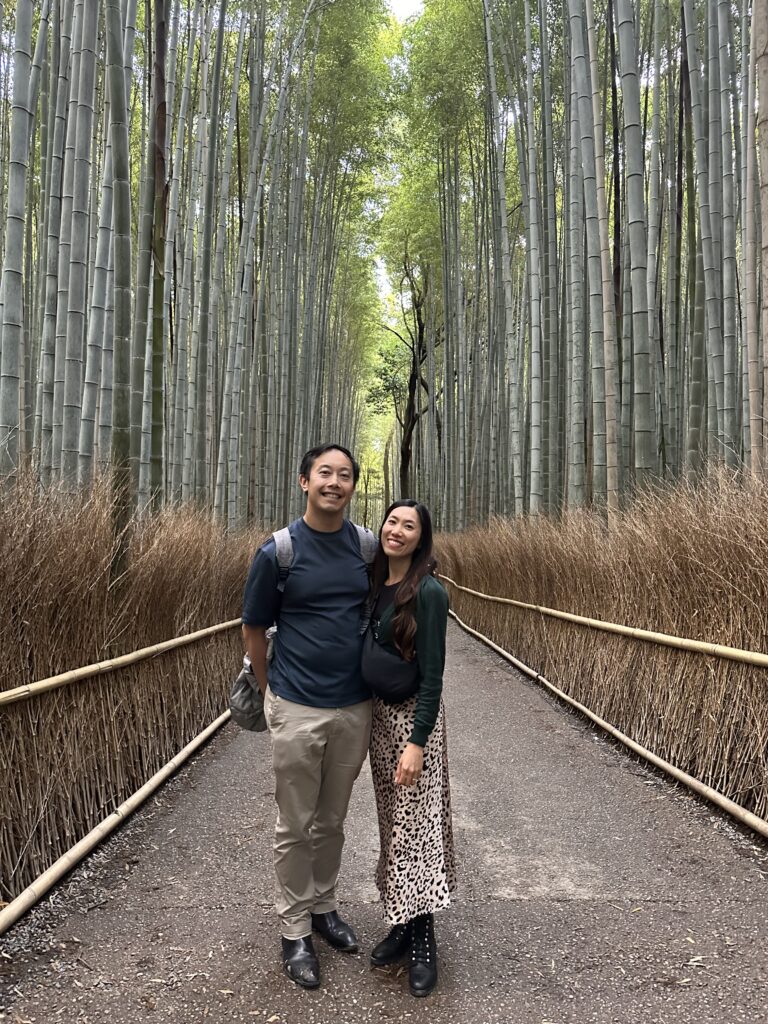
By afternoon, we were on the move again, heading west to Arashiyama. The bamboo grove here is one of Kyoto’s most photographed sights, but thanks to a light drizzle, the crowds had thinned. What remained was something far more special: the soft rustle of towering bamboo swaying overhead, birdsong echoing through the grove, and a sense of calm that’s increasingly rare to find.
Back in Kyoto, we closed out the day with a feast—an all-you-can-eat wagyu sukiyaki experience we’d bookmarked earlier in the trip. Thin slices of beautifully marbled beef, gently cooked in a sweet-savoury broth, dipped into egg and devoured without hesitation. It was indulgent, celebratory, and the perfect ending to a day that somehow managed to fit in so much—yet never felt rushed.
👉 Want the full step-by-step guide to this day trip? Head over to the complete post on the best day trip itinerary to Uji and Nara from Kyoto for tips, timings, routes, and all our favourite local spots!
Day 8 – Traditional tea ceremony and exploring Gion
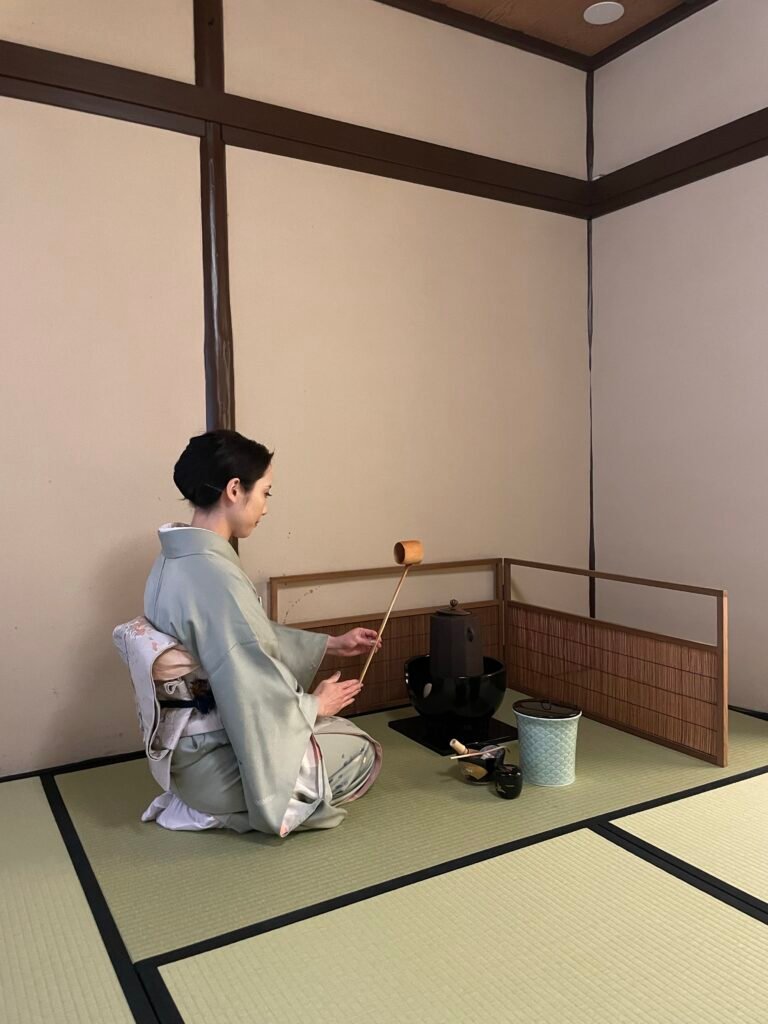
Our final night in Kyoto arrived wrapped in steady rain—the kind that softens the city and invites you to slow down. So instead of rushing between sights, we leaned into it and booked a traditional Japanese tea ceremony. What followed was something far more than just a drink. Every movement was deliberate, every gesture steeped in meaning. Our host guided us through the ritual with quiet precision, explaining the purpose behind each utensil, each motion, each pause. Then it was our turn—whisk in hand, carefully preparing our own bowls of ceremonial-grade matcha. There was something grounding about it all, a moment of stillness that felt deeply connected to Kyoto’s spirit.
We booked ours with Tea Ceremony Chayu and would recommend it. The host is very knowledgable, and her English is just perfect. Throughout 40 minutes we learned so much about the ritual, got to whisk and enjoy our own matcha – it was the kind of experience that leaves you feeling so calm and peaceful.
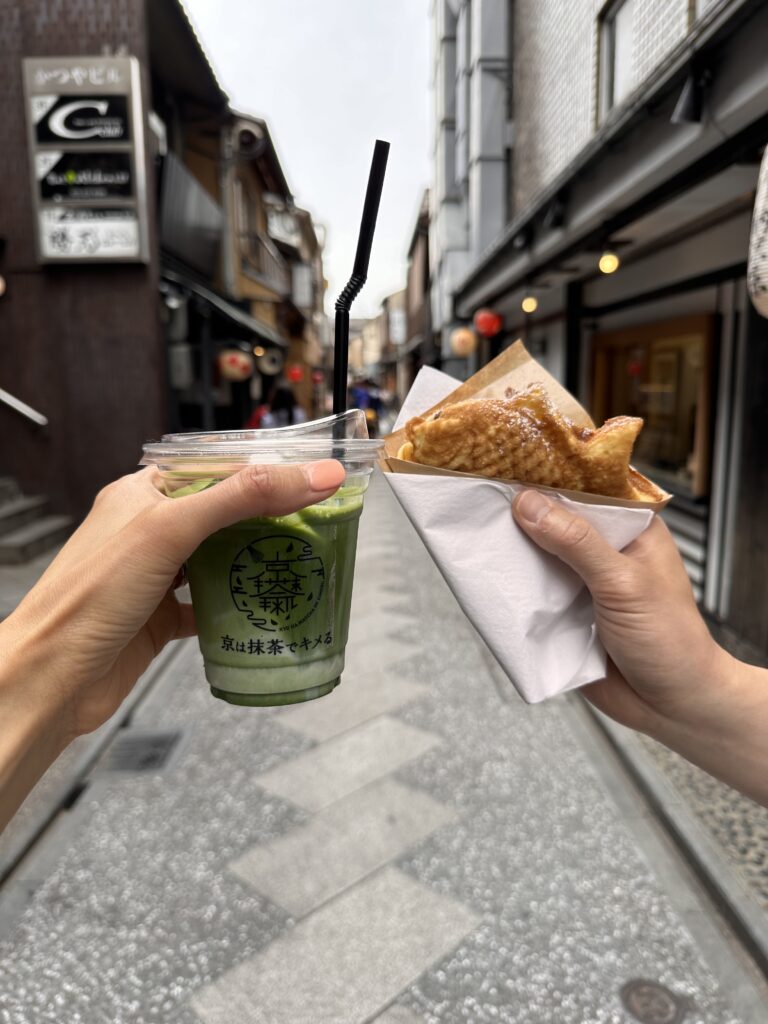
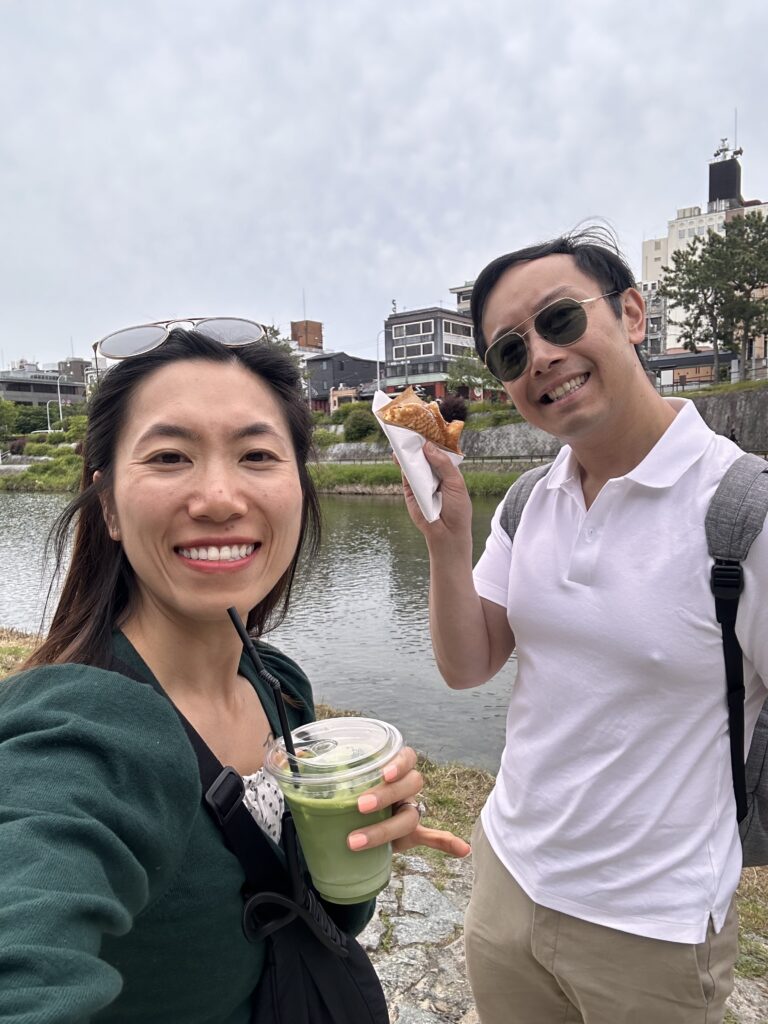
As the rain began to ease, we stepped into the cool evening air and wandered along the river, the city glistening in that post-rain glow. Naturally, we found ourselves on the hunt for taiyaki—those irresistible, fish-shaped pastries filled with sweet goodness and served warm. Crisp on the outside, soft within, and exactly the kind of simple pleasure that makes evenings like this memorable. We drifted next through the historic streets of Gion, where wooden facades and softly lit lanterns preserve a sense of old Kyoto. There’s a quiet magic here at night—timeless, atmospheric, and just a little bit mysterious.
For our final dinner, we kept things understated: a small, unassuming ramen bar, the kind you might walk past without noticing. But inside? Bowls of deeply comforting ramen, rich broth, and that familiar, satisfying warmth.
Day 9 – Relaxing getaway in Hakone
We were bound for Hakone today—a one-night escape before the final chapter of Tokyo. Instead of dragging luggage through stations and platforms, we made one of the smartest decisions of the trip: a luggage forwarding service arranged through BnA Alter Museum. For around ¥3500 (16GBP!), our bags were sent ahead to our Tokyo Airbnb, leaving us completely unburdened. Light, free, and surprisingly stress-free—it instantly changed the rhythm of the journey.
With nothing but small day bags, we boarded the 10:00am Tokaido Shinkansen from Kyoto to Odawara. A small tip that makes a big difference: sit on the left-hand side for a chance—weather permitting—to glimpse the unmistakable silhouette of Mount Fuji. If you’re travelling with luggage, reserve seats with extra storage space. And don’t forget to plug in—these trains glide at up to 300 km/h, yet feel almost impossibly smooth.
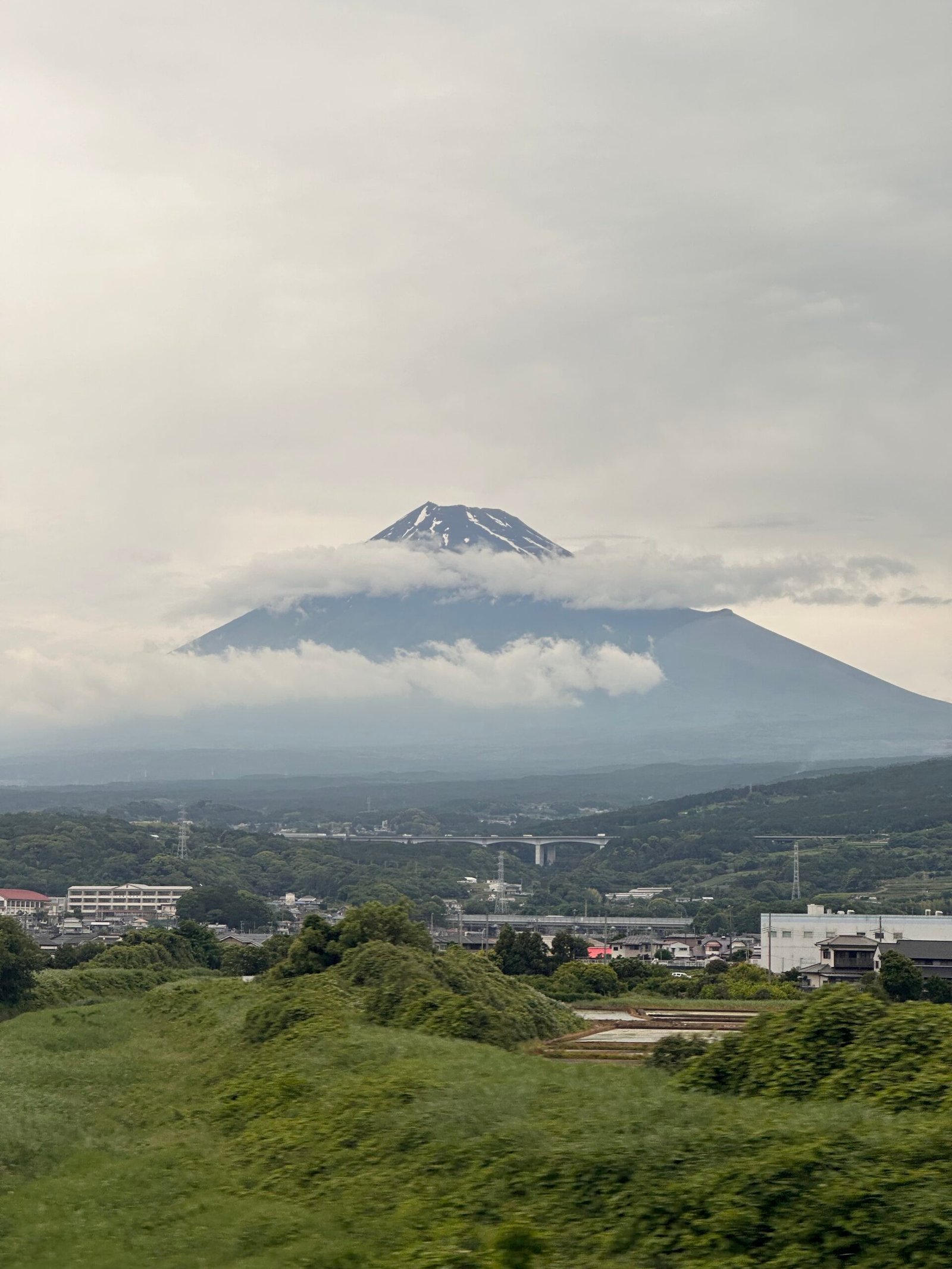
From Odawara, we paused briefly for a local sushi lunch before continuing onward. Then it was onto the Hakone Tozan Bus (J01 line) towards Gora, winding deeper into the hills as the landscape shifted from urban edges to forested calm. Just a short walk from the stop, we arrived at our retreat for the night: Hakone Gora Byakudan. From the moment we stepped inside, the pace changed entirely. A warm welcome, a delicate matcha and red bean dessert, and a lobby framed by serene mountain views set the tone immediately.
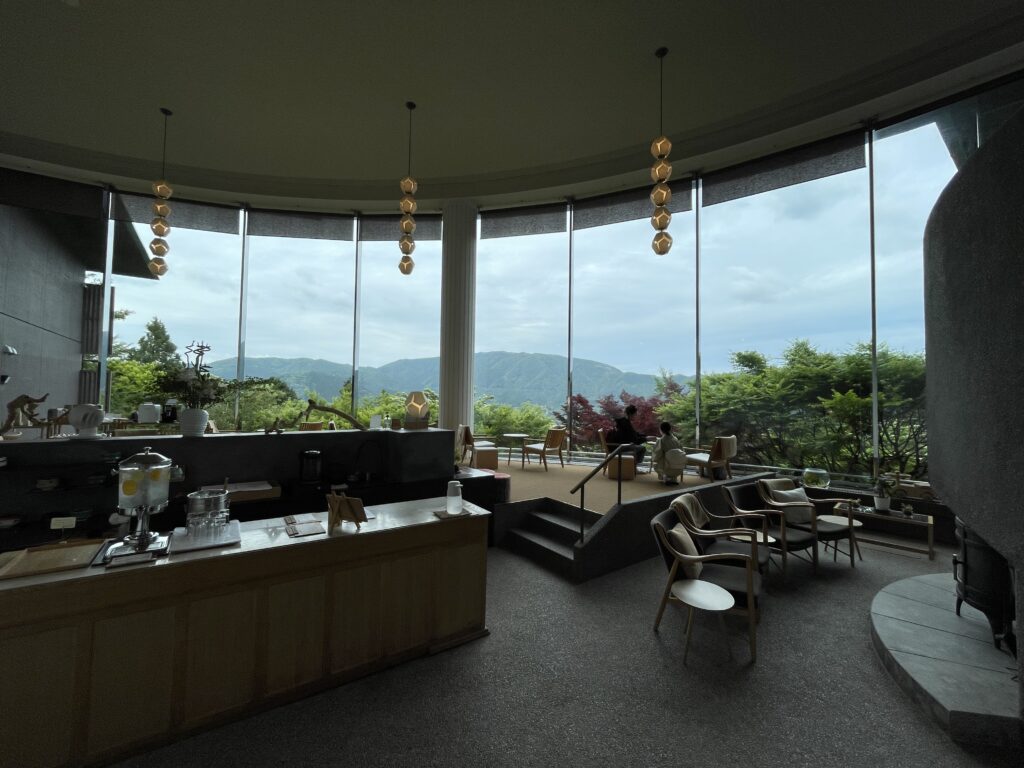
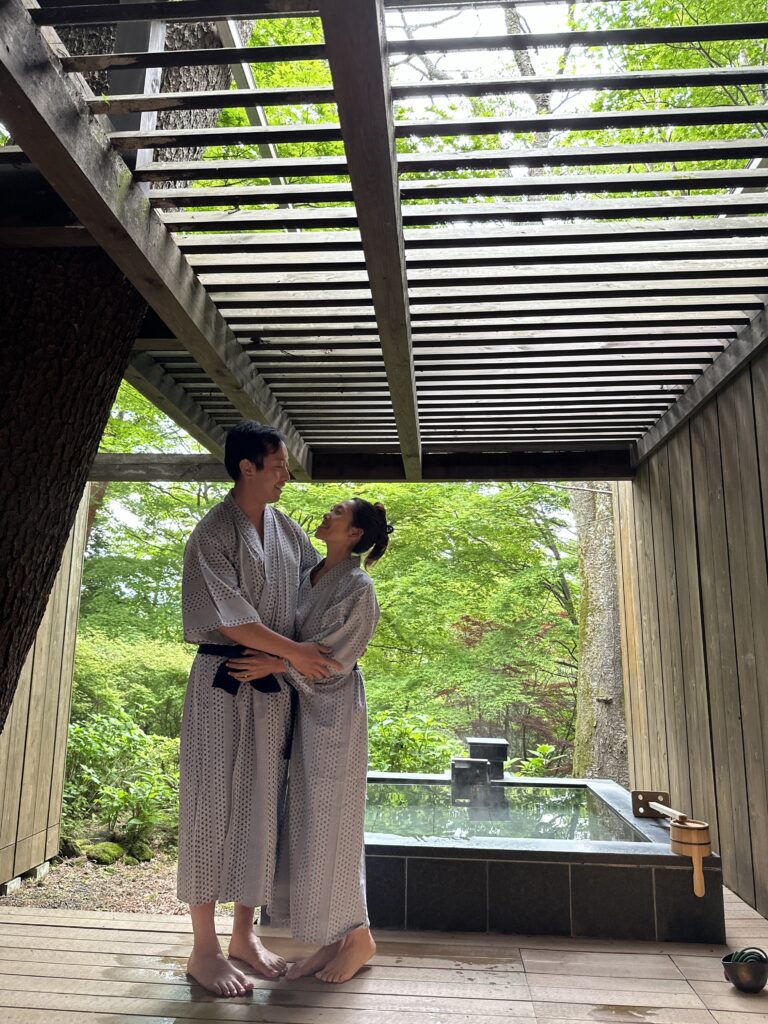
This is the kind of place Hakone does best—quiet luxury, natural hot springs, and a sense of stillness that feels almost suspended in time. Whether as a stopover or a dedicated escape, a night here is less about ticking boxes and more about exhaling properly for the first time in days.
👉 Want the full review of our stay in this fabulous ryokan? Head over to the complete post on the best ryokan experience at Hakone-Gora Byakudan for tips and all the wonderful things this place has to offer!
Day 10 – Arrive in Tokyo for Omakase and drinks in Golden Gai
A little reluctantly, we said goodbye to our tranquil hideaway in Hakone and began the journey back into the electric pulse of the city. This time, we boarded the Odakyu Romancecar—a journey that feels less like a commute and more like a gentle transition between worlds. (Do book ahead—these seats are in high demand.) Before long, the calm gave way to neon as we arrived in Shinjuku. After checking into our Airbnb, we had one thing on our minds: dinner. And not just any dinner—an omakase experience at Ichi-U.
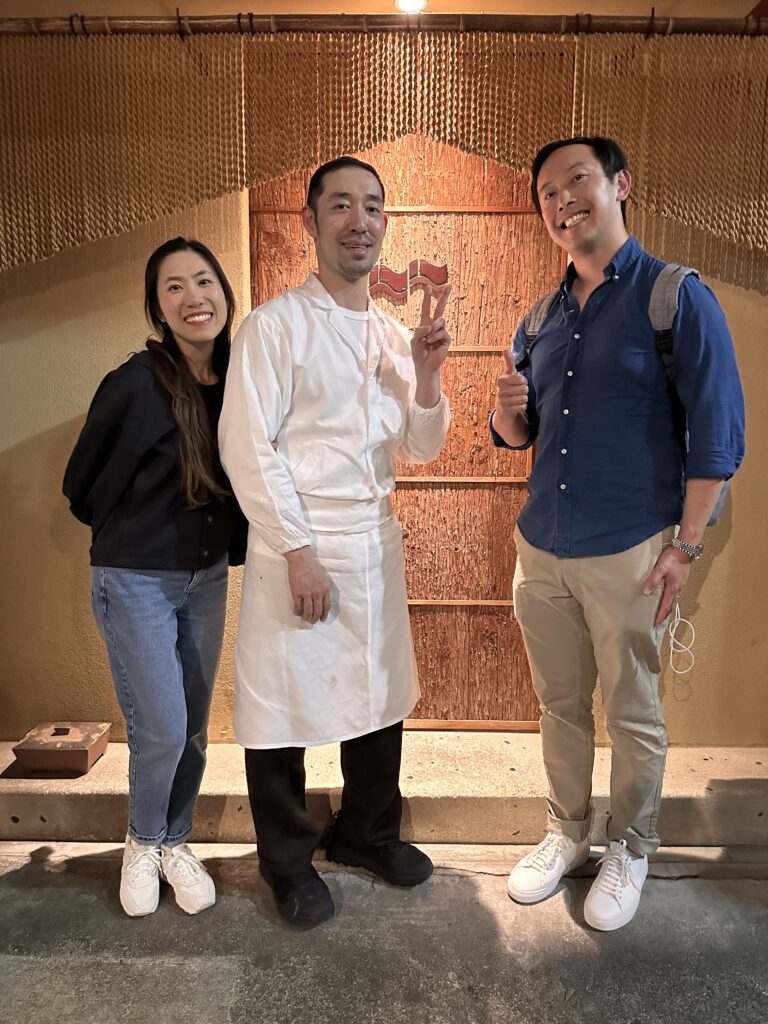
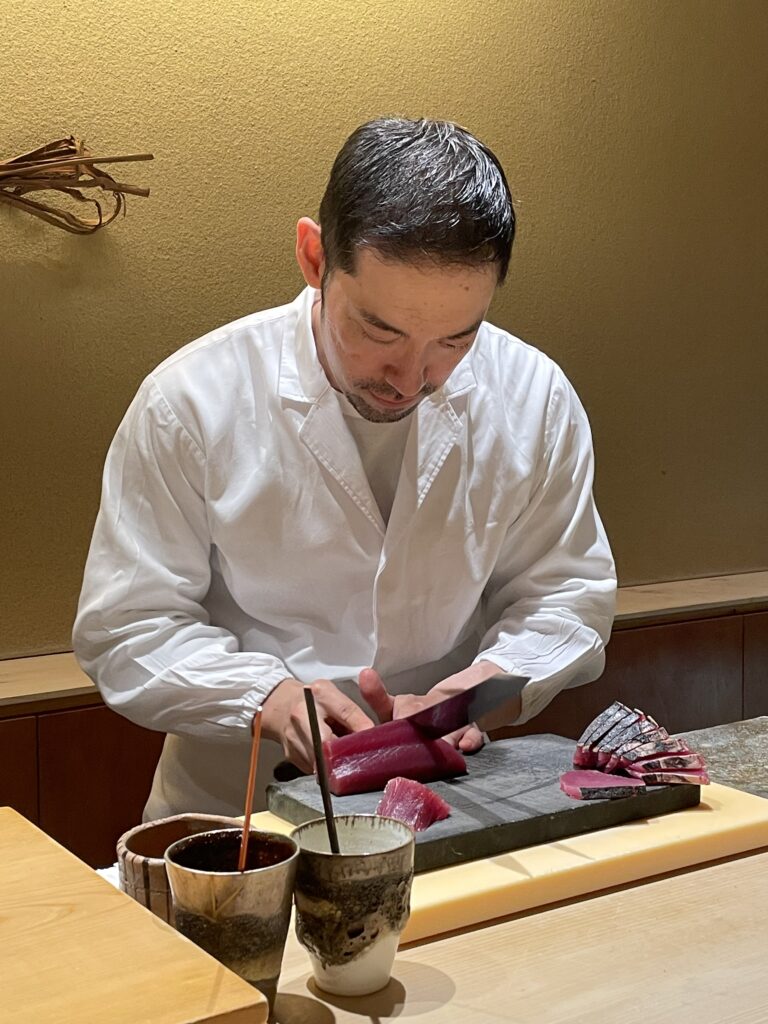
Tucked away and beautifully intimate, this was dining at its most personal. Dish by dish, the chef presented a sequence of delicate, meticulously crafted plates right before our eyes. Every movement was precise, every ingredient thoughtfully chosen. It wasn’t just a meal—it was a performance, a conversation, a memory in the making. Without question, it stood out as one of the defining highlights of our entire trip. Check out all our highlights, in this dedicated ultimate guide to the best things to do in Japan!
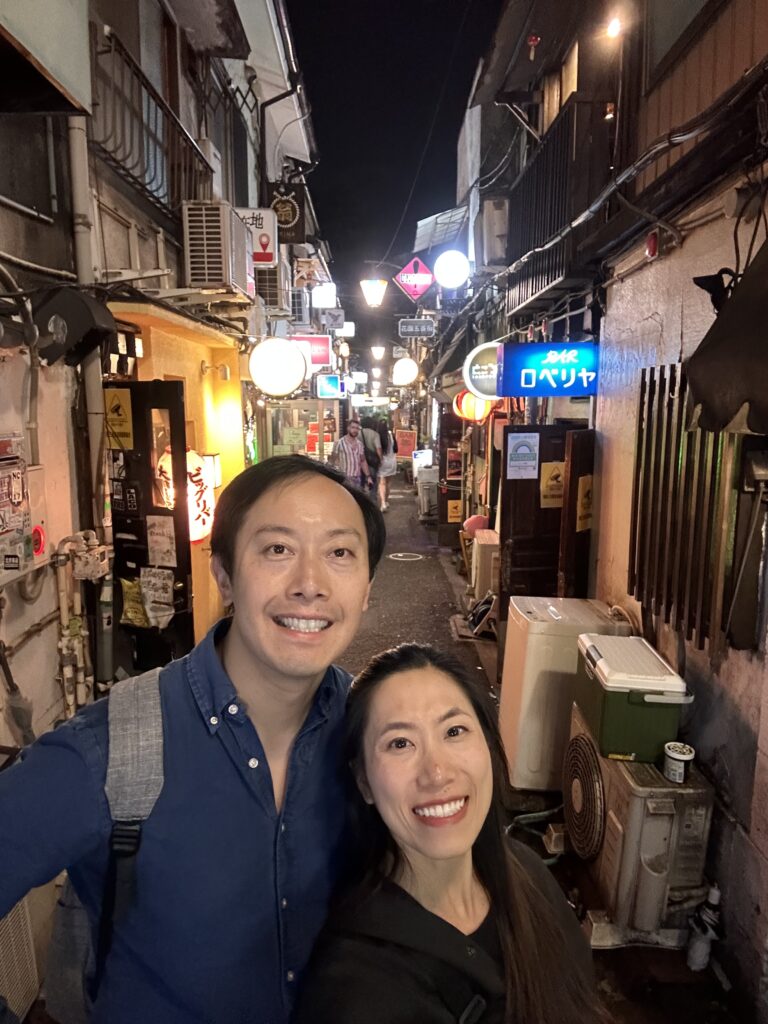
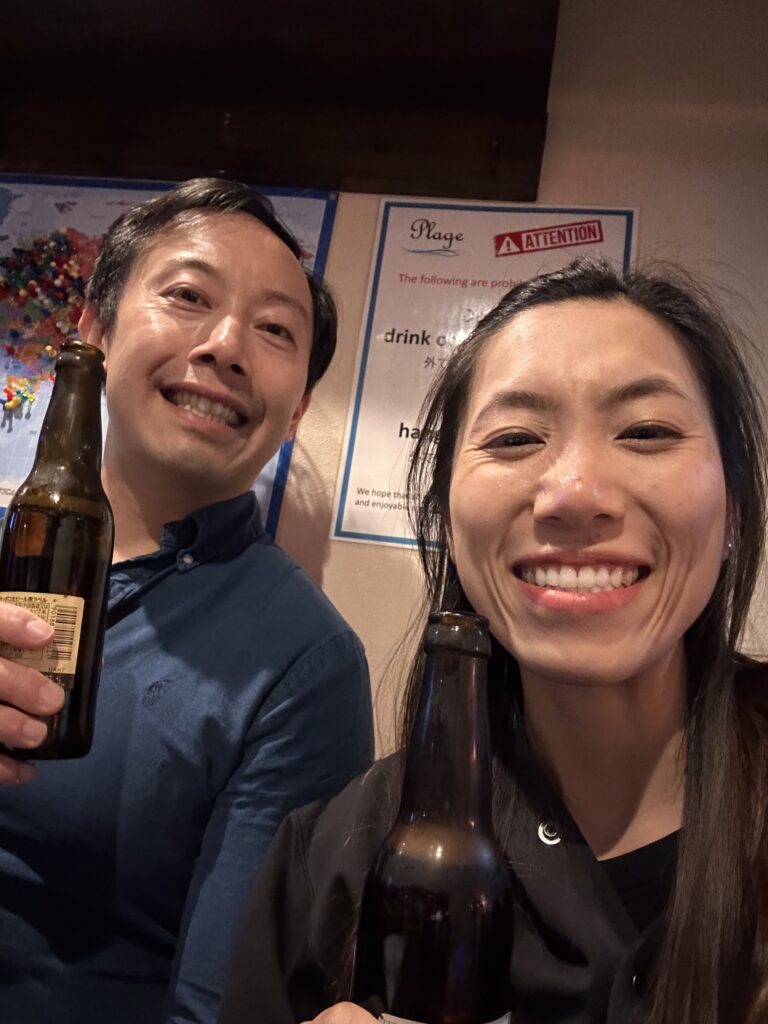
Still riding that high, we stepped back into the night and made our way to Golden Gai—a maze of narrow alleys packed with tiny, character-filled bars. We slipped into Bar Plage, one of the few without a cover charge (though drinks start around ¥1000), and quickly found ourselves in easy conversation with fellow travellers from around the world. There’s something about Golden Gai—it invites connection. One drink turns into two, stories are shared, and before you know it, the night gently winds itself down. And just like that, Tokyo had begun.
Day 11 – Visiting Cat Temples, exploring teamLab Borderless and divulging on the yakitori sticks of Piss Alley
The next morning began at the ever-buzzing Tsukiji Outer Market, where the energy is as fresh as the seafood. We followed the scent of the grills and found ourselves watching thick, buttery scallops being flame-torched right in front of us—caramelised to perfection, smoky, sweet, and utterly unforgettable.
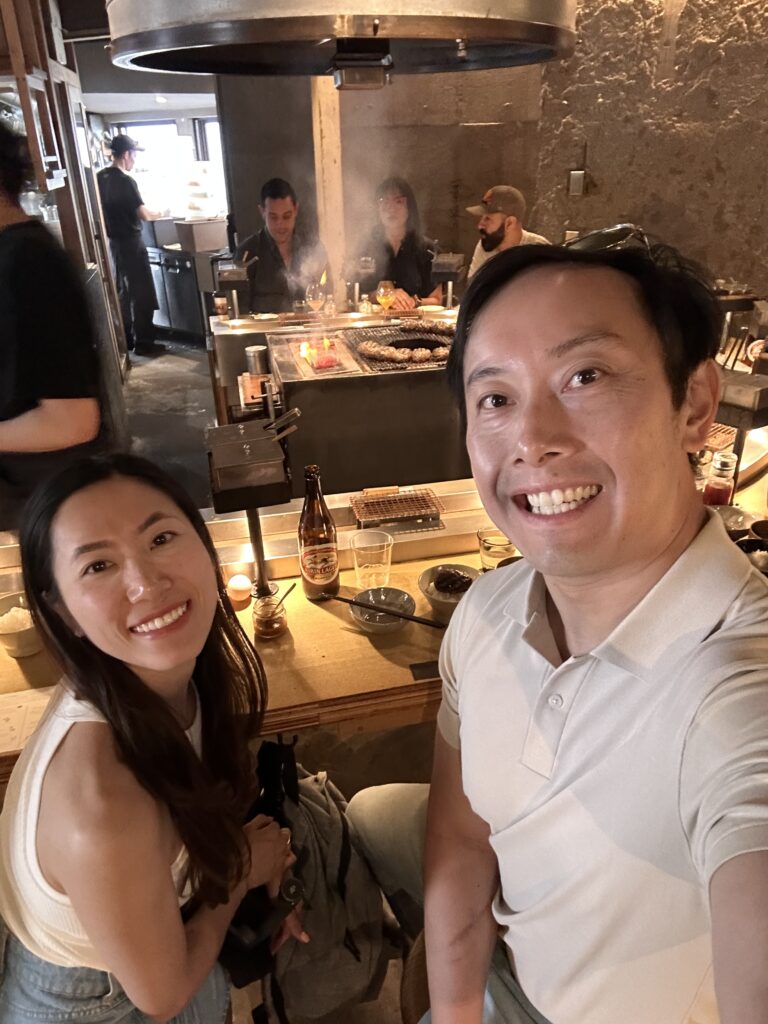
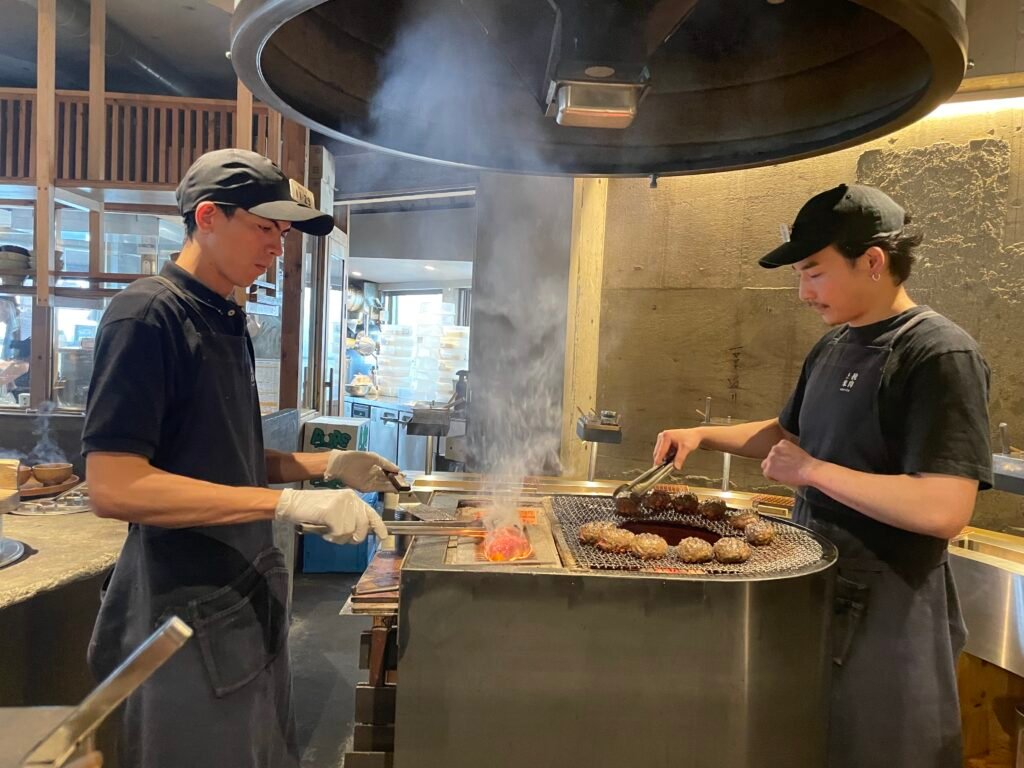
Still chasing flavour, we made our way to Hikiniku to Come—a spot that has quietly built a cult following. Here, it’s all about simplicity done exceptionally well: juicy, perfectly seasoned burger patties served with rice, each one grilled fresh and delivered in rounds. Minimalist in concept, maximalist in satisfaction. It’s very popular so ensure to reserve beforehand!
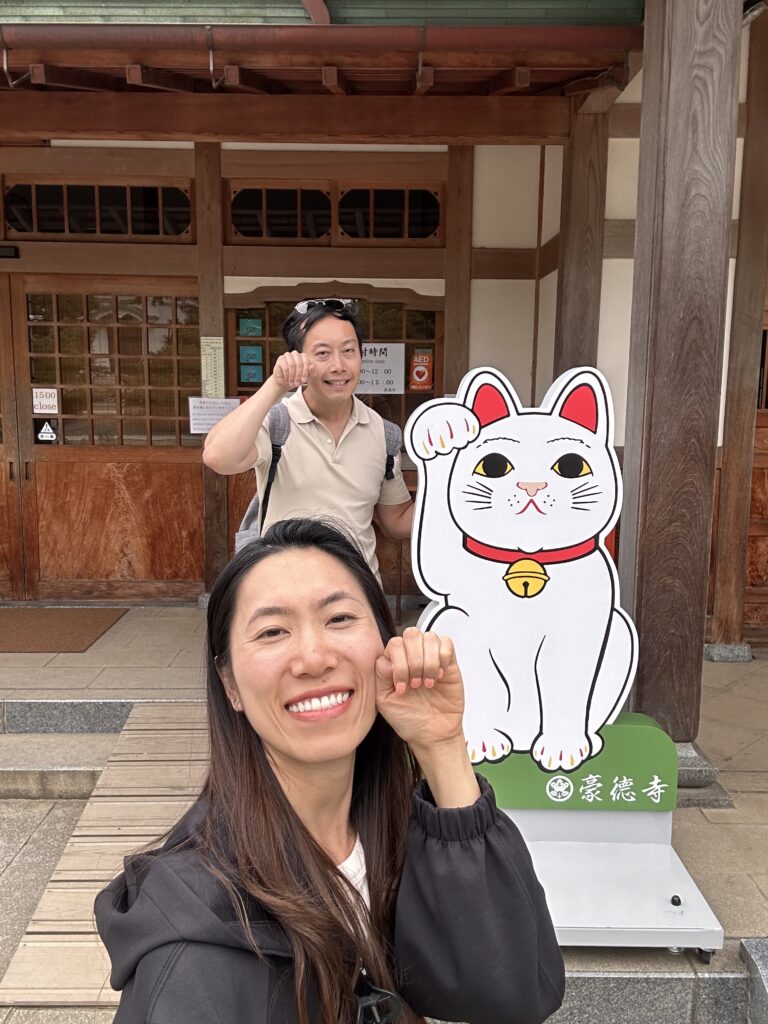
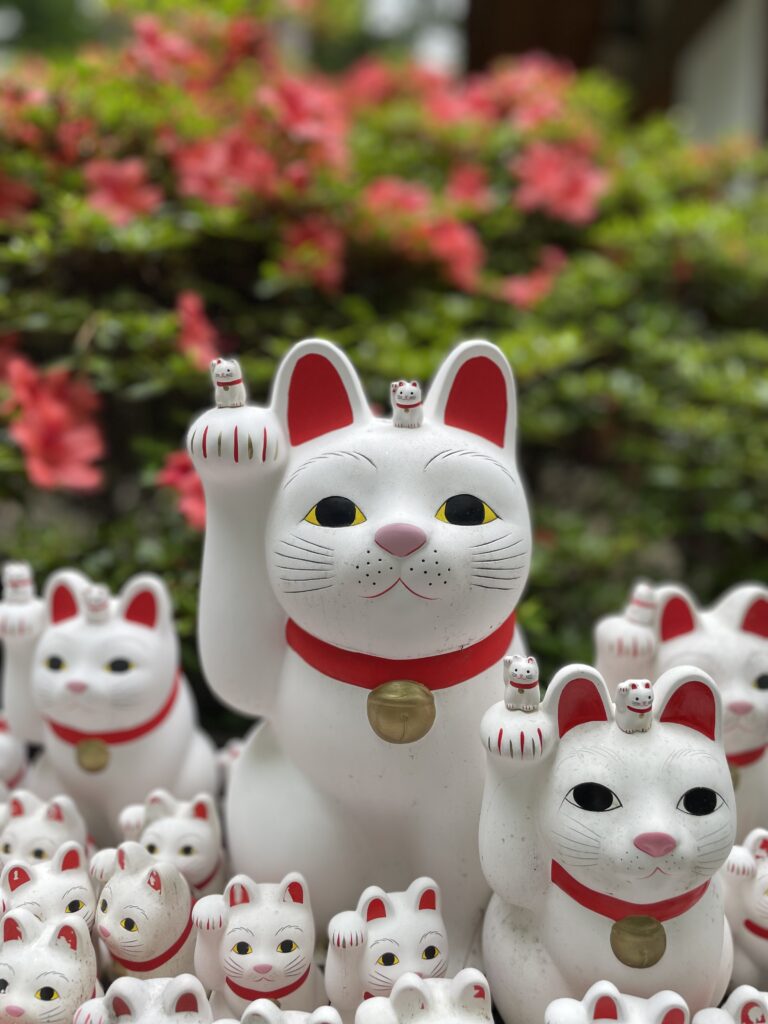
From modern Tokyo to something a little more whimsical, we travelled out to Gotokuji Temple—a serene, slightly surreal space famed for its hundreds (if not thousands) of beckoning cat figurines. It’s peaceful, charming, and just a little quirky in the best way. On the way, we stumbled across a café serving adorable cat-shaped sponge cakes, filled with warm, sweet centres—almost too cute to eat… almost.
Then came one of Tokyo’s most immersive experiences: teamLab Borderless. This is not just an art exhibition—it’s a living, breathing digital world. Rooms shift, colours flow, and boundaries dissolve as you wander through ever-changing installations. It’s hypnotic, playful, and unlike anything else. Book ahead, take your time, and don’t skip the café—where even your tea becomes part of the art, blooming and transforming before your eyes.
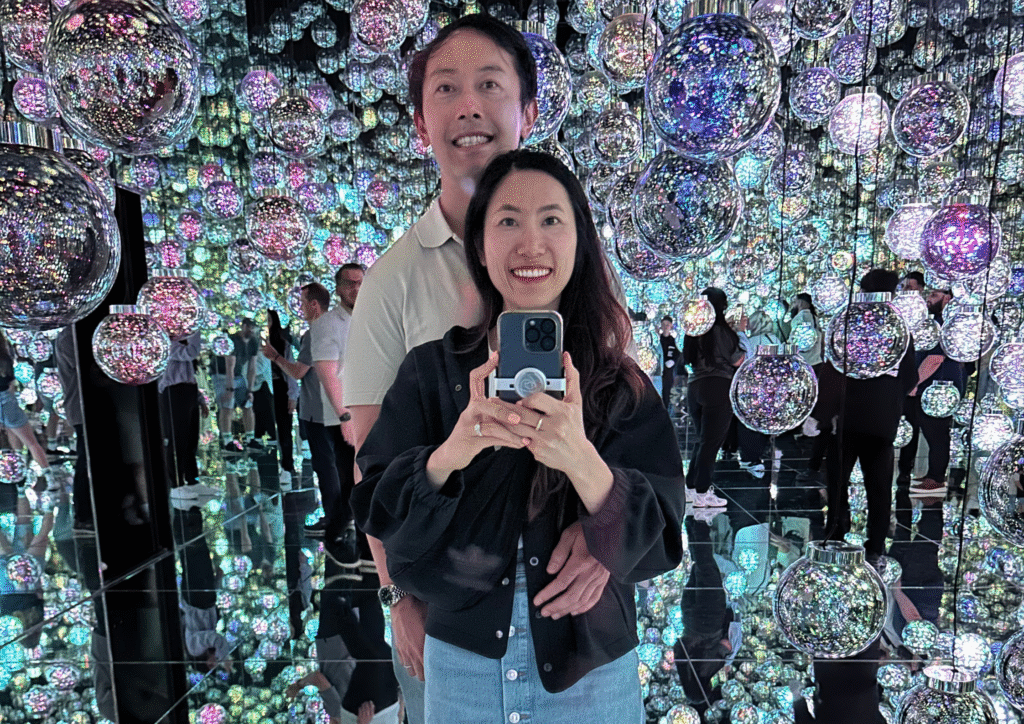
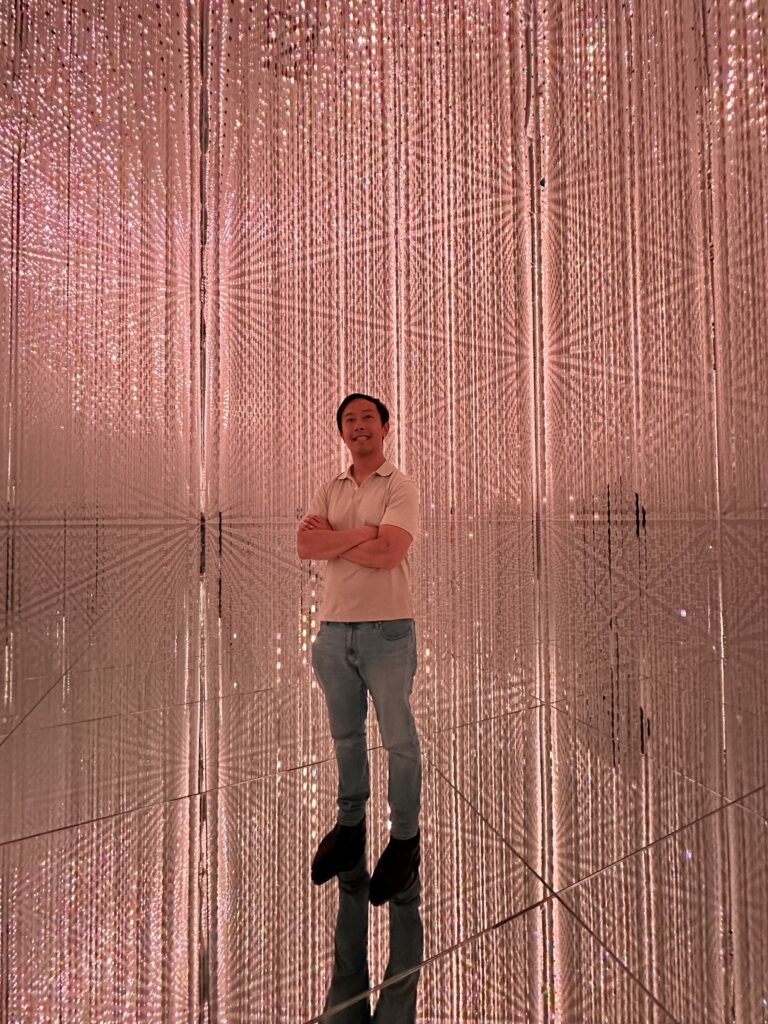
By evening, we were back in the thick of it, heading into the atmospheric alleyways of Omoide Yokocho—better known as “Piss Alley,” though far more charming than the nickname suggests. Lanterns glowed, smoke curled into the night air, and we found ourselves perched in a tiny spot, devouring skewers of yakitori fresh off the grill.
Day 12 – Kimono photography in Asakusa before sunset views in Shibuya Sky
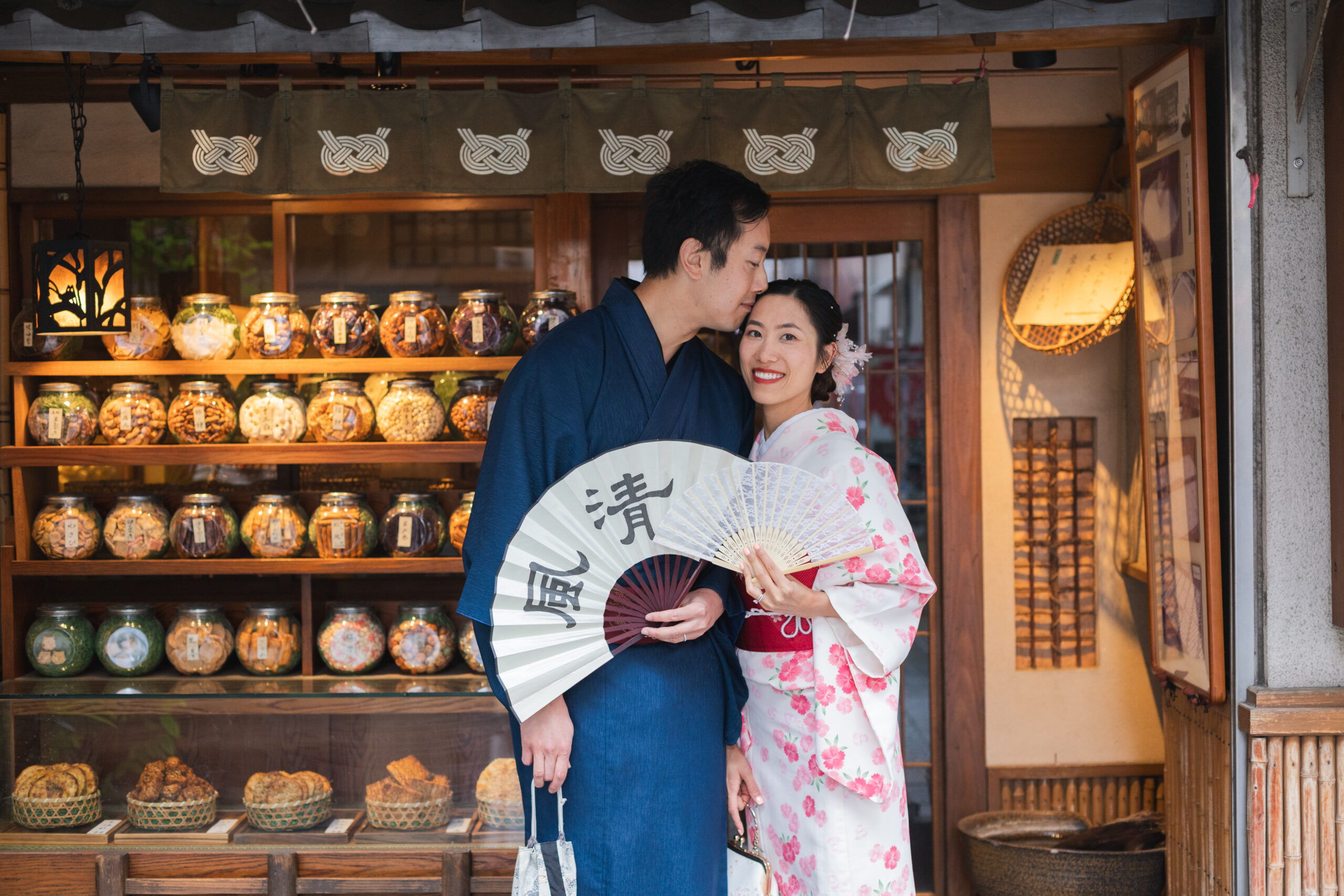
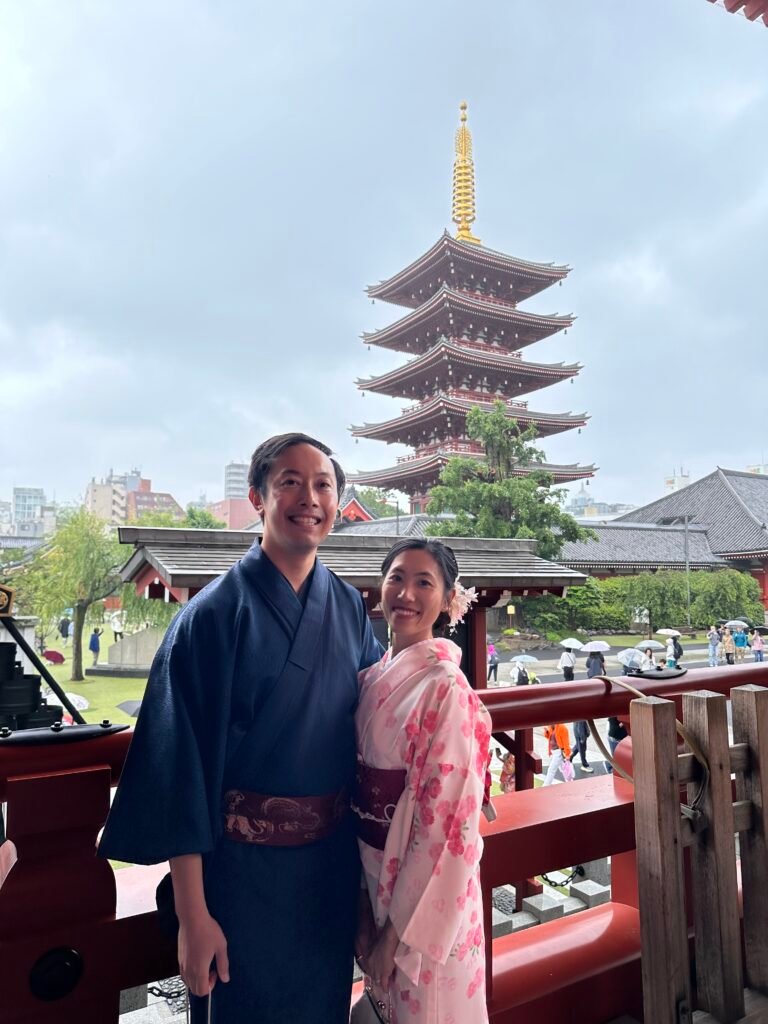
A light drizzle greeted us in the morning—but in Tokyo, even the rain feels cinematic. It certainly didn’t slow us down. We made our way to Asakusa, where we had booked a kimono rental complete with a photography session. Dressed in traditional attire, wandering historic streets, it felt like stepping briefly into another era. Our photographer, Duan, brought a relaxed energy to the shoot, turning it into one of the most unexpectedly fun experiences of the trip.
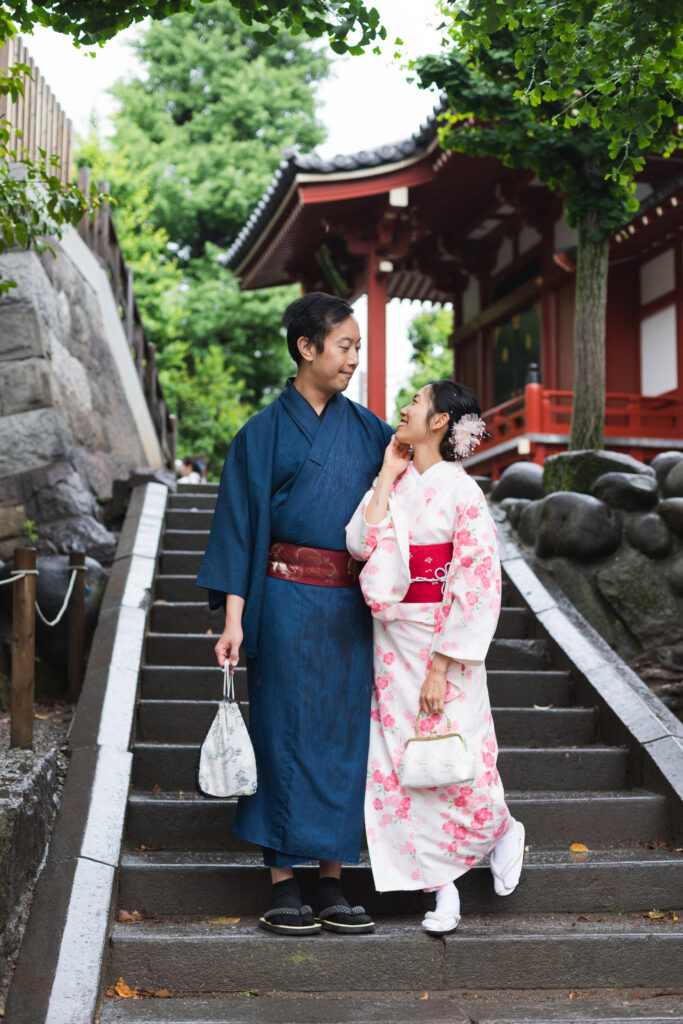
We visited Senso-ji Temple—its iconic gates and lanterns standing bold against the grey skies—before returning our kimonos. (Though you can keep them all day, we had more exploring to do.) A comforting bowl of ramen and a matcha break later, we were recharged and ready for the next stop. That took us to Akihabara—Tokyo’s electric playground of anime, gaming, and all things wonderfully niche. Neon signs, multi-storey arcades, and shops packed with collectibles made it feel like stepping into another dimension. Somewhere between it all, we paused for impossibly fluffy Japanese pancakes—light, airy, and worth every minute of the wait.
As evening approached, we headed to Shibuya Sky, where Sherry had booked a sunset experience high above the city. The skies, unfortunately, had other plans—but even without a clear sunset, there’s something special about being perched above Tokyo with a drink in hand, watching the city glow to life below. And of course, no visit here is complete without taking in the organised chaos of Shibuya Crossing—best seen from above, where the movement feels almost hypnotic.
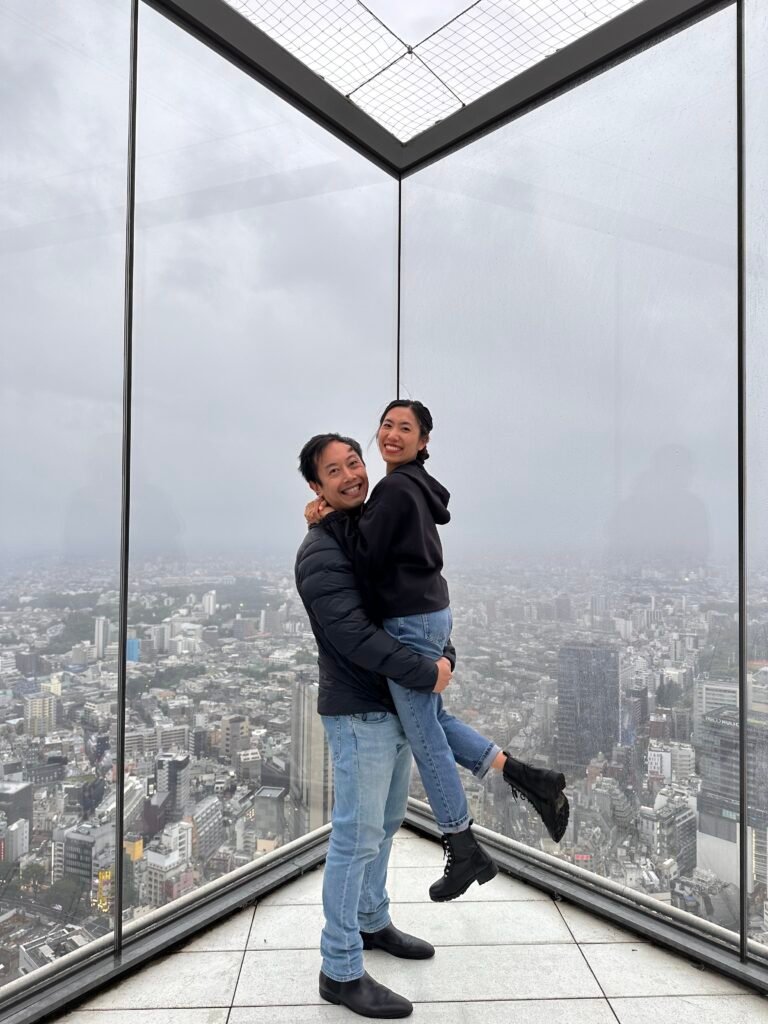
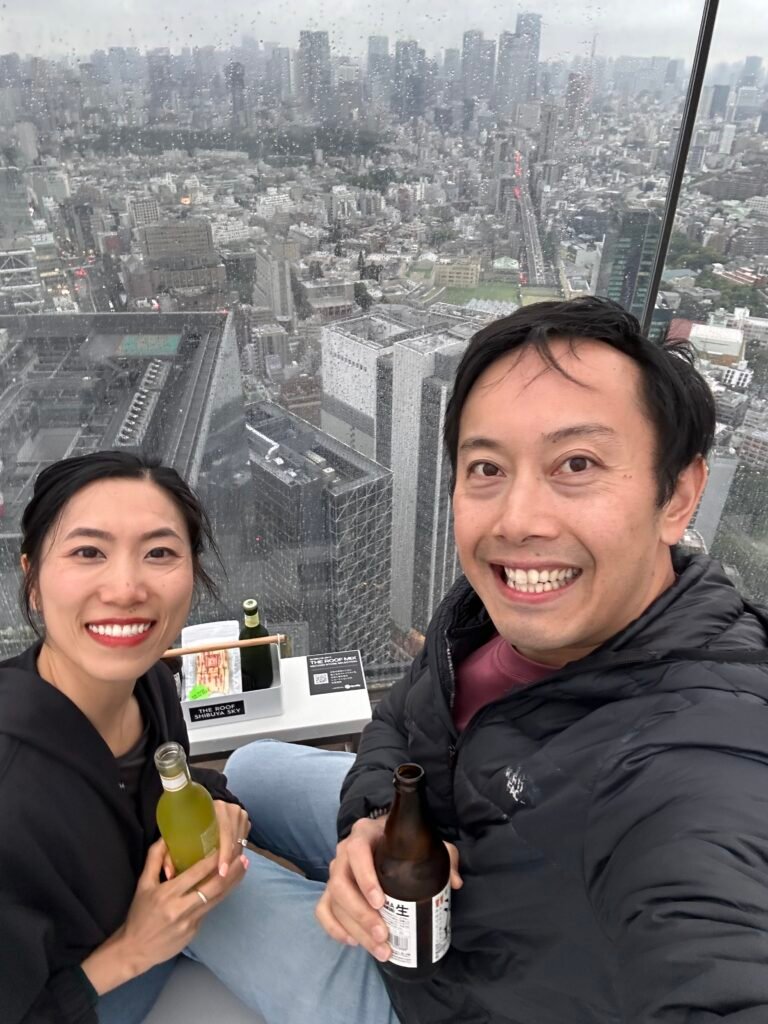
To end the night, we went for something hearty and satisfying at Gyukatsu Katsugyu. Their take on gyukatsu—crispy on the outside, tender and perfectly cooked within—was the kind of comfort food that hits just right after a full day out. (And if you miss it in the city, there’s even a branch waiting at Narita Airport!)
Day 13 – Sayonara Tokyo and onto the vibrant markets of Seoul
With Tokyo behind us, it was time for the next chapter. We hopped on the Toei Asakusa Line, which took us to Narita International Airport—a smooth, no-fuss journey as we set off for Seoul for the final leg of our adventure. We flew with Air Premia, and the experience was refreshingly seamless. After landing, there was a bit of a wait for the airport limousine bus into the city—but once we checked in and dropped our bags, there was no time to waste.
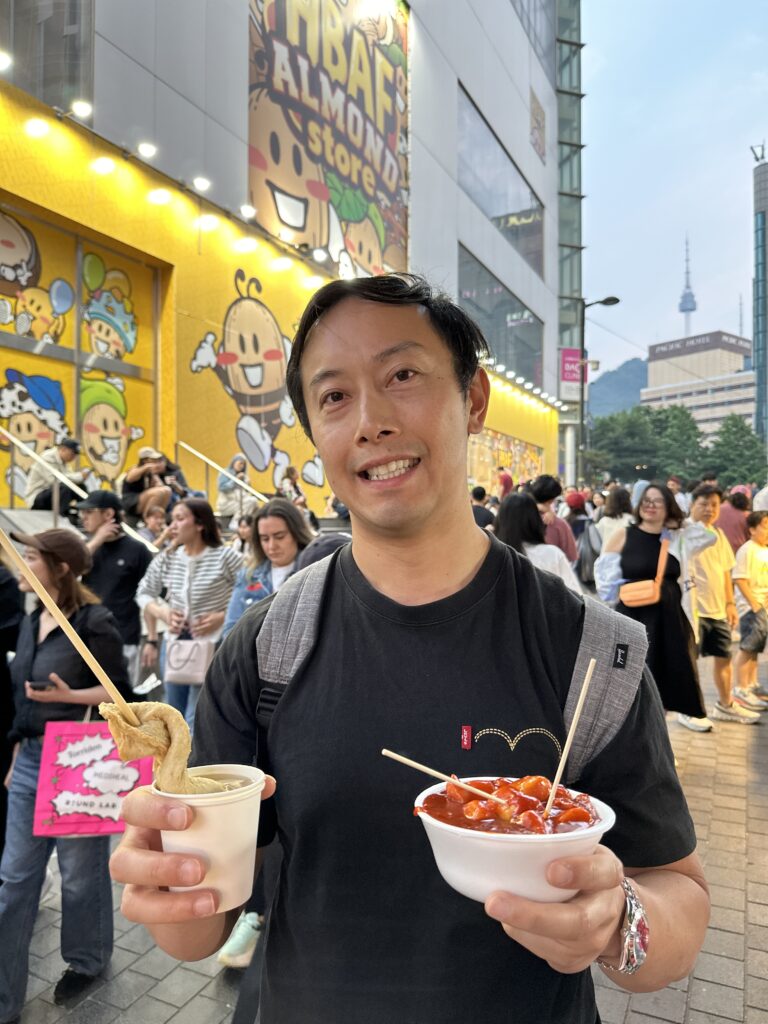
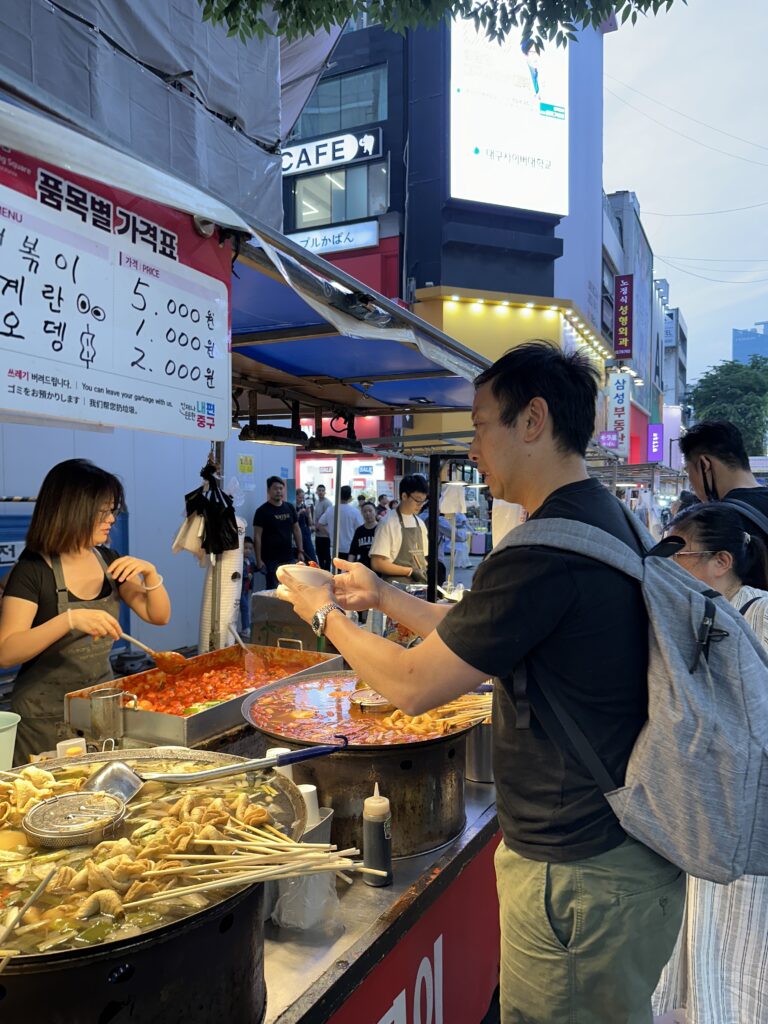
Naturally, we headed straight for Myeongdong night market, where the streets come alive in a dazzling display of street food, neon lights, and endless energy. This is Seoul at its most vibrant—vendors calling out, grills sizzling, and an endless parade of snacks begging to be tried. A new city, a new rhythm—and Seoul was already pulling us in.
Day 14 – Seoul self restoration and Korean food staples
We began the day the way Seoul does best—with something warm, comforting, and quietly addictive. Tucked within Kalguksu Alley, we found ourselves slurping bowls of hand-cut “same same” noodles—simple, hearty, and what you want to start a full day. Washed down with an iced coffee and a freshly made hotteok—crisp on the outside, molten and sweet within—it was the kind of breakfast that lingers long after the last bite.
Refuelled and ready, we made our way to Areuke Spa for a facial analysis and treatment. What we expected to be a relaxing session turned into something far more insightful. Through detailed analysis, we learned about our skin on a deeper level—what it needed, what it didn’t, and how to actually care for it properly. Equal parts indulgent and educational. From self-care to soul food, next came a classic Korean ritual: Korean BBQ. Sizzling meats, shared plates, and that unmistakable smoky aroma—it’s less a meal and more an experience.
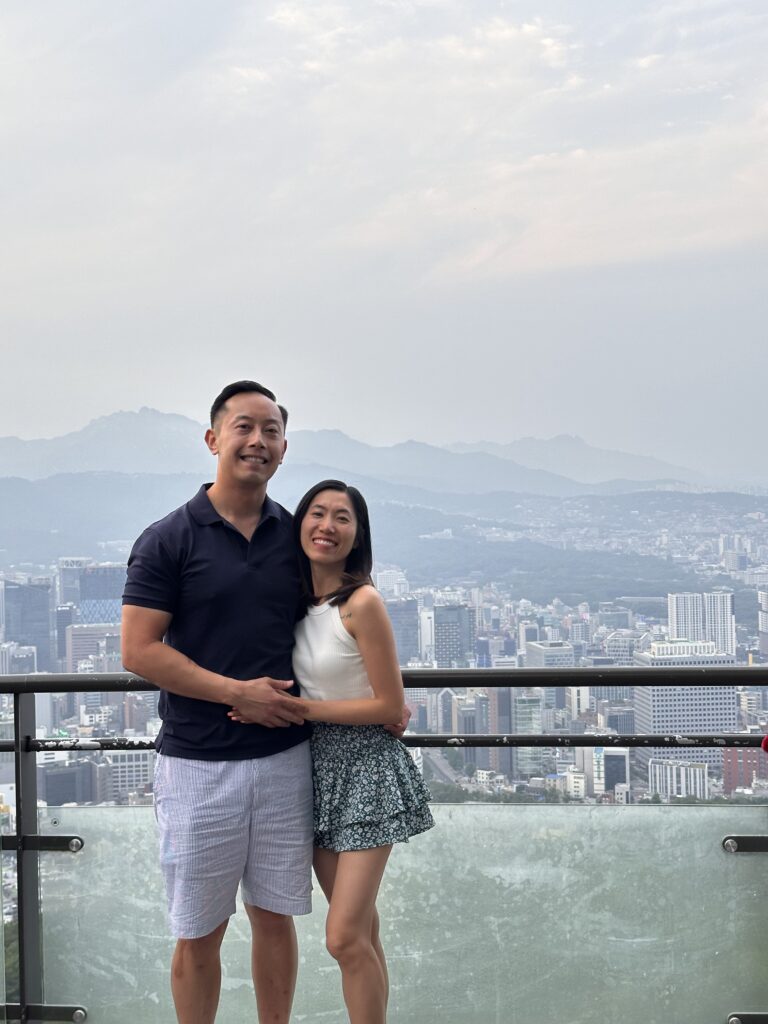
Then, in true Seoul fashion, we switched things up again and headed to Juno Hair. The team there brought a fun, easygoing energy, and we walked out with fresh cuts, a fried chicken recommendation (see below) and a little extra confidence—always a good feeling mid-trip. With the evening approaching, we set our sights higher—literally—making our way up Namsan Mountain. The climb was rewarded with sweeping sunset views over the city, Seoul stretching endlessly in every direction as the sky softened into gold.
But the night wasn’t over yet. We found ourselves deep inside Olive Young, completely losing track of time while stocking up on all the skincare discoveries from earlier. Shelves upon shelves of beauty essentials—it’s impossible to leave empty-handed. It’s a must shopping experience for all skincare lovers!
To close the day, we followed a local recommendation to Oppadak, where crispy, flavour-packed Korean fried chicken sealed the deal. Wash it down with beer, or soju then you’ve got yourself one of the most comfort meals!
Day 15 – Traditional Gyeongbokgung Palace and Bukchon Hanok Village vs trendy Gangnam and Zoo Sindang
We kicked off the day with something deeply comforting—a bubbling pot of gamjatang. Rich, hearty, and packed with flavour, it was the kind of meal that warms you from the inside out and sets you up perfectly for a full day of exploring.
From there, we made our way to Gyeongbokgung Palace, where history unfolds on a grand scale. Vast courtyards, intricate rooftops, and mountain backdrops make this one of Seoul’s most striking landmarks. We timed our visit to catch the changing of the guards—a colourful, ceremonial display that adds a sense of theatre to the experience. All around, visitors dressed in hanbok added to the atmosphere—and as a bonus, wearing one grants free entry to the palace.
A short walk led us into the charming lanes of Bukchon Hanok Village, where traditional Korean houses line narrow streets that feel almost frozen in time. It’s a place to slow down, wander, and take in the quiet contrast to Seoul’s modern energy. Then, a change of pace. We stopped by Cafe Onion Anguk, a beautifully designed bakery that blends rustic charm with minimalist cool. The pastries? As good as they look—flaky, indulgent, and impossible to choose just one.
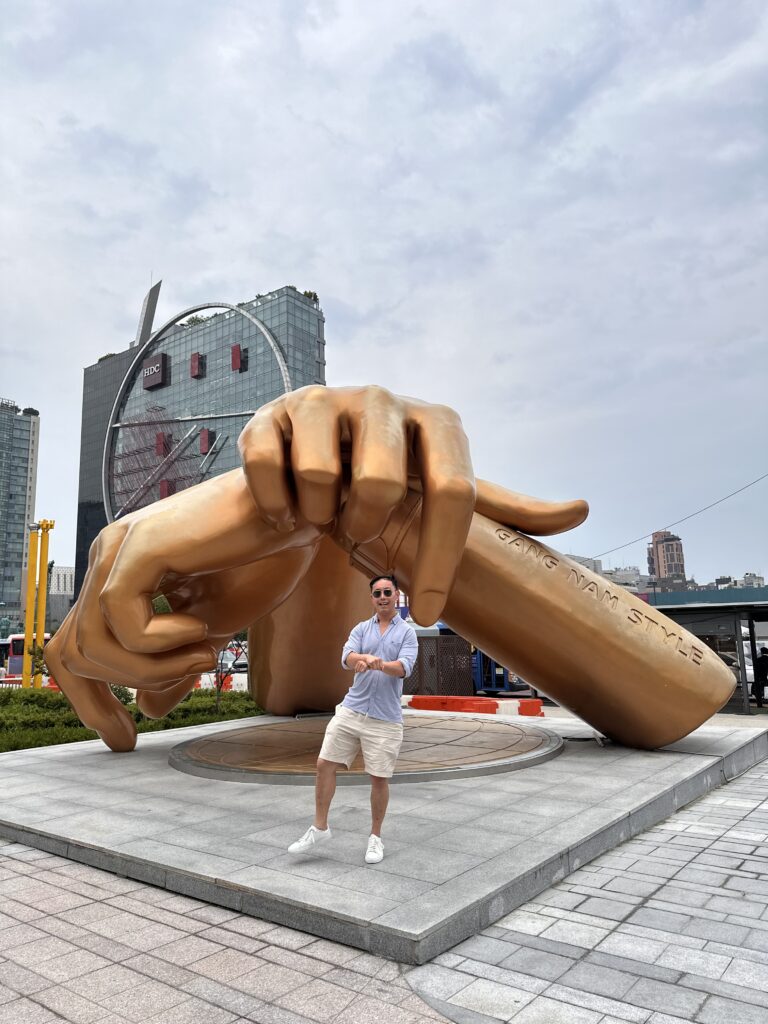
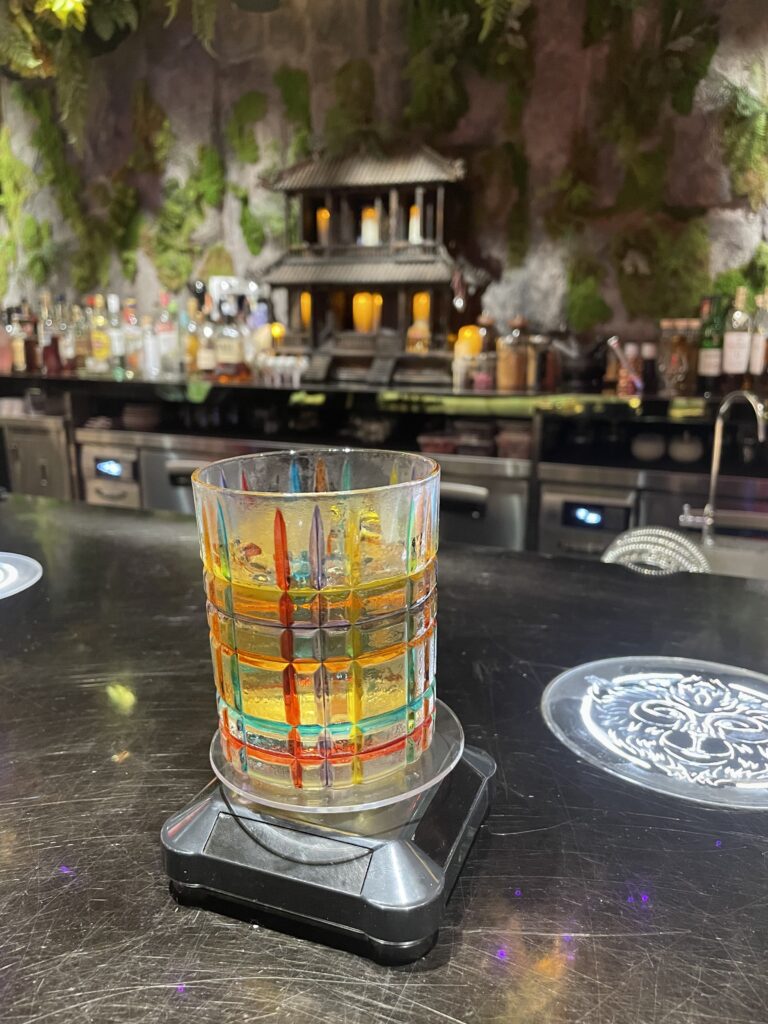
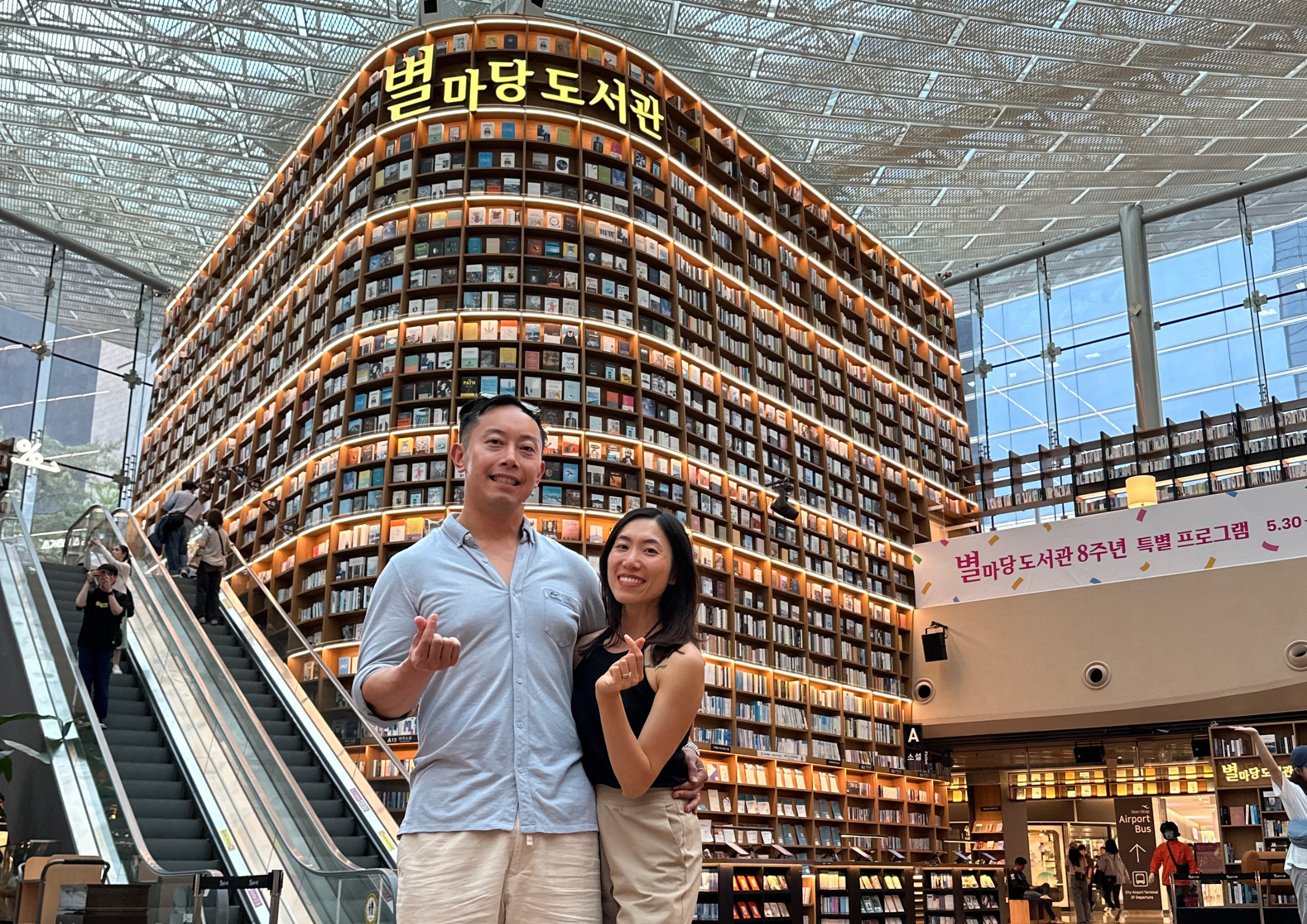
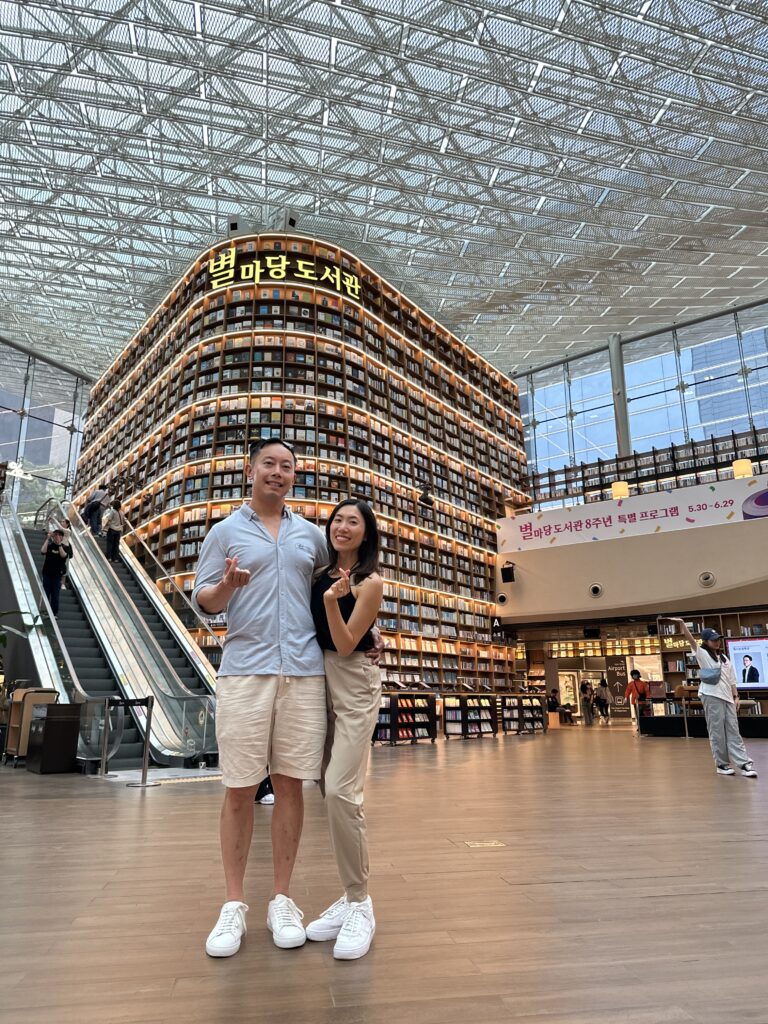
Next stop: Gangnam. Yes, that Gangnam. We couldn’t resist a quick photo with the Gangnam Style Statue—a playful nod to the global hit that put the district on the map. Just nearby, the stunning Starfield Library drew us in with its towering bookshelves and cinematic design—a dream for book lovers and photographers alike. As night fell, we slipped into something a little more eclectic at Zoo Sindang, a zodiac-themed cocktail bar where each drink feels personal, playful, and just a little bit mystical. I ordered the horse cocktail, based on an old fashioned. It was presented expertly on a coaster that spun, representing horses on a carousel.
And for our final dinner in Seoul, there was only one way to go: back to Korean BBQ. One last round of sizzling grills, shared plates, and that unmistakable smoky aroma—a fitting, flavour-packed farewell to a city that knows exactly how to leave an impression.
Day 16 – See ya Seoul and onto the cheapest two Michelin starred restaurant in Shanghai
For our final morning in Seoul, we couldn’t resist one last indulgence—a freshly made hotteok from the market. Crisp, golden, and filled with molten sweetness, it felt like the perfect send-off. As we waited, a chance encounter turned into a travel win: a taxi driver, Paul, offered us a discounted ride to the airport as he was heading there anyway. With luggage in tow and mindful of the strict no-standing policy on the airport limousine buses, we gladly accepted—skipping the train from Seoul Station for a smooth, direct journey.
A quick tip before departure—if you’re claiming tax refunds, the main processing area is after security. The kiosks in the departures hall are reserved for higher claims (typically over 75,000 KRW). And if you’ve got a little extra suitcase space, there’s one last temptation waiting: Olive Young on B1F, perfect for a final skincare haul. From Seoul, we looped back to Shanghai for one last night, checking into the elegant Garden Hotel Shanghai. Spacious, refined, and with sweeping views from the 21st floor, it was a fitting place to wind down after weeks on the move.
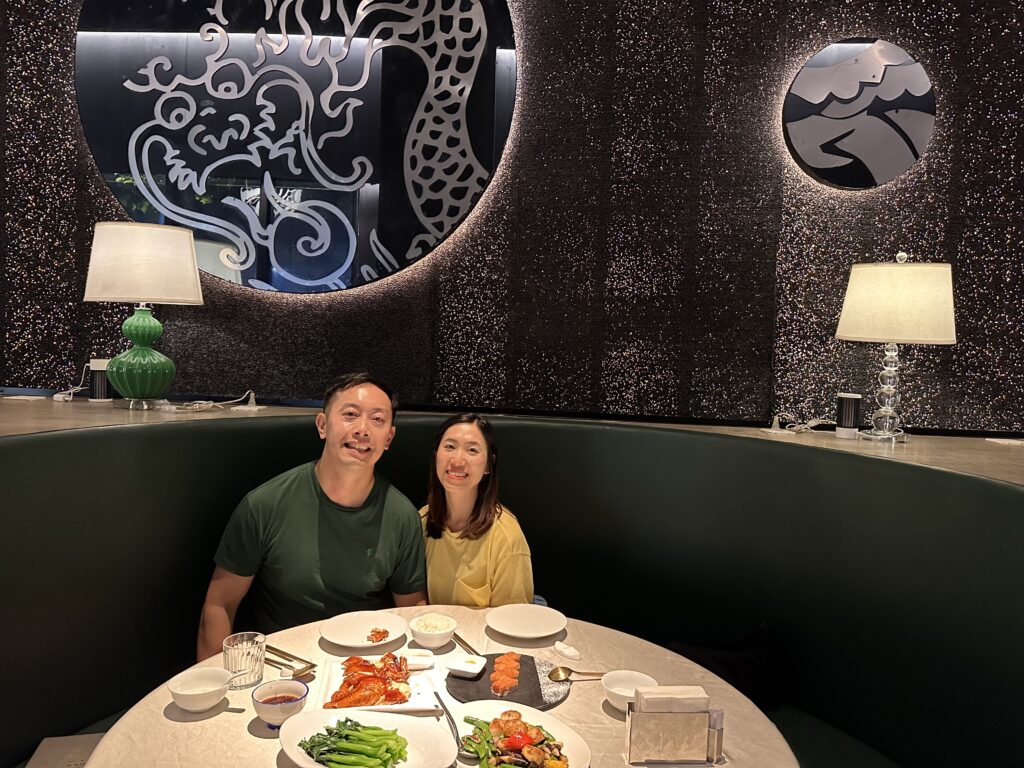
Of course, we couldn’t resist one final outing. Back along Nanjing Road, the city felt just as alive as when we first arrived. This time, we headed up the Shanghai Tower—home to the world’s highest observation deck. The 360-degree views are undeniably impressive, though slightly softened by window film designed to reduce glare. For clearer opportunities, you might consider alternatives like the Oriental Pearl Tower or the Shanghai World Financial Center. To close the journey, we went out on a high—dinner at Canton 8, often hailed as one of the most affordable two-Michelin-starred restaurants in the world. Exceptional dishes, refined flavours, and a bill that came to just £50 for the two of us!
Day 17 – So long Shanghai and the culmination of a great 3 country journey
From the neon-lit energy of Shanghai to the culinary soul of Osaka, the timeless elegance of Kyoto, the sensory overload of Tokyo, and the vibrant pulse of Seoul—this journey was a tapestry of contrasts. It was early mornings and late-night bites, quiet moments and bustling indulgent meals and simple street food. But more than anything, it was a reminder of why we travel: to feel, to taste, to connect, and to be endlessly surprised by the world.
Three countries, countless memories.
Yes, we went with Nomad. Make sure to activate it before arriving in China, you won’t be able to access Gmail to activate it once you arrive!
We spent 3 nights in Seoul, and honestly, could have spent more. 3 days is the perfect amount of time to get a taste, and eat all the amazing Korean food. If you spend longer, you can look to venture out of Seoul and go to Jeju Island and Busan.
In Japan, it’s rude to eat whilst walking. Find a spot on the side of the street and tuck in. Tattoos are also to be covered when in onsens. There are women only carriages and silent carriages on trains, please be mindful of these when boarding. If you need to take a call, move to the lobby area. There are not many trash bins in Japan, so hold on to your rubbish (maybe bring a bag for that) until you find one.
In South Korea, beverages are not to be consumed on buses.
Tipping is not expected in those countries.
Google Maps works, but not at its full functionality. Each country will have its own preferred navigational tool, we used Naver Maps for South Korea for example as it integrated with the bus schedules. Google apps and social media apps do not work at all in China unless you are on an eSim. Google Maps works fine for us in Japan and it also tells us how much each journey costs / which carriage is best to get on and off for subway.
Planning a trip to Japan?
Here are all of our Japan travel guides to help you plan an incredible trip:
- Best Things to Do in Japan: The Ultimate Guide
- Tokyo Bucket List: 11 Iconic Experiences You Can’t Miss
- Must Try Desserts in Japan: Famous Japanese Sweets and Where to Find Them
- How to Spend 3 days in Osaka: The Ultimate Itinerary & Things to Do
- One Night in Hakone Gora Byakudan: The Perfect Ryokan Retreat in Japan
- Best Day Trips in Japan for First-Timers: From Osaka & Kyoto
- Uji and Nara: A Perfect Day Trip from Kyoto
- Himeji and Kobe: A Perfect Day Trip from Osaka
- Epic 16 Night Holiday Exloring China, Japan and South Korea
Planning a trip to South Korea?
Here are all of our South Korea travel guides to help you plan an incredible trip: